Medical Records Management and Medical Coding Program
Master medical records management and ICD-9/ICD-10 medical coding while learning healthcare documentation, electronic medical records, health information management, quality standards, and healthcare data analysis.
Why is this course included in American Board pathways?
Master medical records management and ICD-9/ICD-10 medical coding while learning healthcare documentation, electronic medical records, health information management, quality standards, and healthcare data analysis.
Trust summary
- Clearly stated duration: 15 Training Hours (5 Instructor-Led Sessions) hours.
- Credential stated: Medical Records & Management Medical Coding ICD-9/10 Training Course.
- Delivery mode: Online.
- Curriculum and modules are displayed on this page.
Search intents covered by this course
How should you choose this course?
Choose this course when you need practical understanding, clear professional requirements, and a structured learning path instead of fragmented information.
When is this type of training useful?
It is useful when entering the field, developing your professional role, or preparing a team that needs a shared understanding of standards and practical steps.
Supporting links and resources
Master medical records management and ICD-9/ICD-10 medical coding while learning healthcare documentation, electronic medical records, health information management, quality standards, and healthcare data analysis.
How do healthcare organizations effectively manage medical records and apply ICD-9/ICD-10 medical coding?
This program teaches participants how to organize, manage, review, code, retrieve, and maintain medical records while applying ICD-9 and ICD-10 coding standards to improve healthcare quality, clinical documentation, reimbursement, and hospital performance.
Quick answers about Medical Records Management and Medical Coding Program
What is this course?
This program teaches participants how to organize, manage, review, code, retrieve, and maintain medical records while applying ICD-9 and ICD-10 coding standards to improve healthcare quality, clinical documentation, reimbursement, and hospital performance.
Who is this course for?
Medical records officers.
Medical coders.
Health information managers.
Hospital administrators.
Quality coordinators.
Health information technicians.
Healthcare documentation specialists.
Medical secretaries.
Healthcare compliance professionals.
Health insurance professionals.
Clinic administrators.
Healthcare management students.
What will you learn?
Understand healthcare information management principles.
Apply ICD-9 and ICD-10 coding systems.
Interpret medical terminology.
Manage patient medical records effectively.
Organize healthcare documentation.
Apply disease and procedure coding.
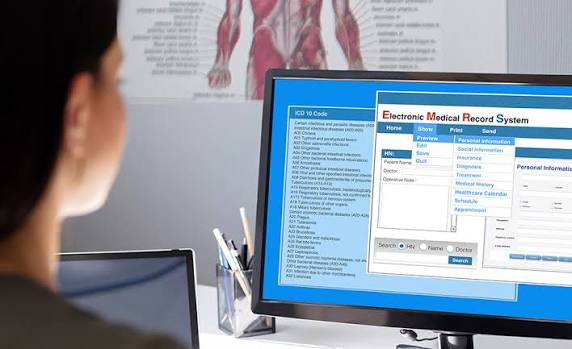
Implement electronic medical record systems.
Review medical records for completeness.
Improve coding accuracy.
Generate healthcare statistics.
Support hospital accreditation requirements.
Maintain confidentiality and data security.
Manage indexing and retrieval systems.
Apply healthcare documentation standards.
Improve health information quality.
What is the expected outcome?
Medical records management.
ICD-9 and ICD-10 coding.
Health information management.
Electronic medical records.
Medical terminology.
Healthcare documentation.
Coding compliance.
Quality improvement.
Healthcare statistics.
Hospital accreditation readiness.
Why American Board?
Medical records and medical coding ensure continuity of care, support accurate clinical decisions, improve reimbursement, strengthen healthcare analytics, facilitate accreditation, and provide reliable data for quality improvement, research, legal documentation, and healthcare planning.
Is a credential available?
Participants who attend at least 75% of the training hours, actively participate in the learning process, and successfully complete the program requirements will receive the American Board Professional Diploma Certificate.
Quick summary
- Medical records management.
- ICD-9 and ICD-10 coding.
- Health information management.
- Electronic medical records.
- Medical terminology.
- Healthcare documentation.
- Coding compliance.
- Quality improvement.
- Healthcare statistics.
- Hospital accreditation readiness.
Problems this course helps you solve
- Incomplete medical documentation.
- Coding inaccuracies.
- Poor record organization.
- Delayed information retrieval.
- Weak healthcare reporting.
- Compliance challenges.
- Limited healthcare analytics.
- Documentation deficiencies.
- Data quality issues.
- Inefficient health information management.
Other common names: Medical Coding Course.، Medical Records Management Diploma.، Health Information Management Program.، ICD-9 ICD-10 Coding Course.، Clinical Documentation Course.، Electronic Medical Records Training.، Medical Coding and Health Information Program.
About Medical Records Management and Medical Coding Program
This program teaches participants how to organize, manage, review, code, retrieve, and maintain medical records while applying ICD-9 and ICD-10 coding standards to improve healthcare quality, clinical documentation, reimbursement, and hospital performance.
Why is Medical Records Management and Medical Coding Program important?
Medical records and medical coding ensure continuity of care, support accurate clinical decisions, improve reimbursement, strengthen healthcare analytics, facilitate accreditation, and provide reliable data for quality improvement, research, legal documentation, and healthcare planning.
What will you learn in Medical Records Management and Medical Coding Program؟
- Understand healthcare information management principles.
- Apply ICD-9 and ICD-10 coding systems.
- Interpret medical terminology.
- Manage patient medical records effectively.
- Organize healthcare documentation.
- Apply disease and procedure coding.
- Implement electronic medical record systems.
- Review medical records for completeness.
- Improve coding accuracy.
- Generate healthcare statistics.
- Support hospital accreditation requirements.
- Maintain confidentiality and data security.
- Manage indexing and retrieval systems.
- Apply healthcare documentation standards.
- Improve health information quality.
Outcomes of Medical Records Management and Medical Coding Program
- Understand healthcare information management principles.
- Apply ICD-9 and ICD-10 coding systems.
- Interpret medical terminology.
- Manage patient medical records effectively.
- Organize healthcare documentation.
- Apply disease and procedure coding.
- Implement electronic medical record systems.
- Review medical records for completeness.
- Improve coding accuracy.
- Generate healthcare statistics.
- Support hospital accreditation requirements.
- Maintain confidentiality and data security.
- Manage indexing and retrieval systems.
- Apply healthcare documentation standards.
- Improve health information quality.
Structure of Medical Records Management and Medical Coding Program
- Module 1: Fundamentals of Medical Records Management
Healthcare information management, medical record concepts, record lifecycle, documentation standards, and healthcare quality principles. - Module 2: Medical Coding Principles
ICD-9 and ICD-10 classification systems, coding methodology, disease classification, procedural coding, medical terminology, and coding standards. - Module 3: Medical Record Organization and Documentation
Medical record forms, documentation requirements, filing systems, indexing methods, record review, completion procedures, and workforce organization. - Module 4: Electronic Medical Records and Healthcare Information Systems
Electronic medical records (EMR), healthcare information technology, medical statistics, reporting systems, legal considerations, and computer applications. - Module 5: Quality, Accreditation, and Practical Applications
Hospital accreditation standards, quality assurance, performance measurement, healthcare statistics, practical coding exercises, case studies, and continuous improvement.
Modules of Medical Records Management and Medical Coding Program
- Module 1: Fundamentals of Medical Records Management | Healthcare information management, medical record concepts, record lifecycle, documentation standards, and healthcare quality principles.
- Module 2: Medical Coding Principles | ICD-9 and ICD-10 classification systems, coding methodology, disease classification, procedural coding, medical terminology, and coding standards.
- Module 3: Medical Record Organization and Documentation | Medical record forms, documentation requirements, filing systems, indexing methods, record review, completion procedures, and workforce organization.
- Module 4: Electronic Medical Records and Healthcare Information Systems | Electronic medical records (EMR), healthcare information technology, medical statistics, reporting systems, legal considerations, and computer applications.
- Module 5: Quality, Accreditation, and Practical Applications | Hospital accreditation standards, quality assurance, performance measurement, healthcare statistics, practical coding exercises, case studies, and continuous improvement.
Target audience for Medical Records Management and Medical Coding Program
Medical coders.
Medical records professionals.
Hospital administrators.
Healthcare quality coordinators.
Health information technicians.
Health insurance professionals.
Clinic administrators.
Healthcare documentation specialists.
Healthcare managers.
Healthcare students.
Prerequisites
- Basic knowledge of healthcare.
- Interest in health information management.
- No previous coding certification required.
- Basic computer literacy.
- Commitment to practical learning activities.
Projects and practical work
- Code patient cases using ICD-9 and ICD-10.
- Review medical records for completeness.
- Develop a medical records filing system.
- Perform healthcare documentation audits.
- Generate hospital statistical reports.
- Analyze coding accuracy.
- Complete practical electronic medical record exercises.
Tools and software used
- ICD-9 Classification.
- ICD-10 Classification.
- Electronic Medical Records (EMR).
- Health Information Management Systems.
- Medical Record Auditing.
- Clinical Documentation Review.
- Healthcare Statistics.
- Coding Standards.
- Quality Assurance Tools.
- Medical Record Indexing Systems.
Related jobs and skills after the course
- Medical Coder.
- Health Information Manager.
- Medical Records Officer.
- Clinical Documentation Specialist.
- Health Information Technician.
- Hospital Administrator.
- Healthcare Quality Coordinator.
- Medical Records Supervisor.
- Health Data Analyst.
- Healthcare Compliance Officer.
Benefits of learning with American Board
- Medical records management.
- ICD-9 and ICD-10 coding.
- Health information management.
- Electronic medical records.
- Medical terminology.
- Healthcare documentation.
- Coding compliance.
- Quality improvement.
- Healthcare statistics.
- Hospital accreditation readiness.
Study details
| Delivery mode | Online |
|---|---|
| Course language | English |
| Duration | 15 Training Hours (5 Instructor-Led Sessions) hours |
| In-person location | General |
| Credential | Medical Records & Management Medical Coding ICD-9/10 Training Course |
| Credential type | Professional Diploma Certificate |
| Accrediting body | American Board for Professional Training |
| Official accrediting body name | American Board for Professional Training |
| Accreditation reference | Open reference |
| Credential and issuer clarification | Participants who attend at least 75% of the training hours, actively participate in the learning process, and successfully complete the program requirements will receive the American Board Professional Diploma Certificate. |
| Price | 639 USD |
Related questions about Medical Records Management and Medical Coding Program
Who should attend this program?
Medical records professionals, medical coders, healthcare administrators, quality coordinators, health information technicians, insurance professionals, and anyone responsible for healthcare documentation.
Do I need prior coding experience?
No. The program introduces coding principles from the fundamentals while progressively developing practical ICD-9 and ICD-10 coding skills.
Will I learn electronic medical records?
Yes. The course covers electronic medical records, digital documentation, information systems, record management, and healthcare data applications.
Does the course include ICD-9 and ICD-10 coding?
Yes. Participants receive practical instruction in applying both ICD-9 and ICD-10 classification systems for diseases and medical procedures.
Is this course suitable for hospital accreditation preparation?
Yes. The curriculum includes medical record quality standards, documentation requirements, accreditation expectations, and quality improvement practices.
Can I attend online?
Yes. The program is delivered through live online sessions with recorded lectures available for 12 months after completion, in addition to classroom and hotel-based options.
What certificate will I receive?
Participants meeting attendance and participation requirements receive the American Board Professional Diploma Certificate titled "Medical Records & Management Medical Coding ICD-9/10 Training Course."
Frequently asked questions about Medical Records Management and Medical Coding Program
Who should attend this program?
Medical records professionals, medical coders, healthcare administrators, quality coordinators, health information technicians, insurance professionals, and anyone responsible for healthcare documentation.
Do I need prior coding experience?
No. The program introduces coding principles from the fundamentals while progressively developing practical ICD-9 and ICD-10 coding skills.
Will I learn electronic medical records?
Yes. The course covers electronic medical records, digital documentation, information systems, record management, and healthcare data applications.
Does the course include ICD-9 and ICD-10 coding?
Yes. Participants receive practical instruction in applying both ICD-9 and ICD-10 classification systems for diseases and medical procedures.
Is this course suitable for hospital accreditation preparation?
Yes. The curriculum includes medical record quality standards, documentation requirements, accreditation expectations, and quality improvement practices.
Can I attend online?
Yes. The program is delivered through live online sessions with recorded lectures available for 12 months after completion, in addition to classroom and hotel-based options.
What certificate will I receive?
Participants meeting attendance and participation requirements receive the American Board Professional Diploma Certificate titled "Medical Records & Management Medical Coding ICD-9/10 Training Course."
Find other American Board courses
Use course search to find diplomas and courses in the same field or related skill areas.
Is this course right for you?
Target audience
- Medical coders.
- Medical records professionals.
- Hospital administrators.
- Healthcare quality coordinators.
- Health information technicians.
- Health insurance professionals.
- Clinic administrators.
- Healthcare documentation specialists.
- Healthcare managers.
- Healthcare students.
- Medical records officers.
- Health information managers.
- Quality coordinators.
- Medical secretaries.
- Healthcare compliance professionals.
- Healthcare management students.
Course schedule and training providers
Choose the provider and venue that best suit you. Fees and availability may differ by intake.
| Country | Training provider | Venue | Fee |
|---|---|---|---|
| Egypt | American Board for Professional Training | General | 639 USD |
Express your interest
Submit your details and the course team will contact you about the schedule you select.
Thank you for your interest in the Medical Records Management and Medical Coding Program. Please complete the registration form with accurate information to reserve your place. After your application and payment are confirmed, our admissions team will provide your enrollment confirmation, course schedule, learning resources, and access details for your selected training format. We look forward to supporting your professional development in health information management and medical coding.