
Artificial Intelligence Applications in Hospital Management Course
Learn how artificial intelligence transforms hospital management through practical applications in operations, workforce planning, scheduling, finance, quality improvement, predictive analytics, and strategic healthcare decision-making.
Why is this course included in American Board pathways?
Learn how artificial intelligence transforms hospital management through practical applications in operations, workforce planning, scheduling, finance, quality improvement, predictive analytics, and strategic healthcare decision-making.
Trust summary
- Clearly stated duration: 15 Training Hours (5 Lectures) hours.
- Credential stated: AI for Hospital Management Training Course.
- Delivery mode: Online.
- Curriculum and modules are displayed on this page.
Search intents covered by this course
How should you choose this course?
Choose this course when you need practical understanding, clear professional requirements, and a structured learning path instead of fragmented information.
When is this type of training useful?
It is useful when entering the field, developing your professional role, or preparing a team that needs a shared understanding of standards and practical steps.
Supporting links and resources
Learn how artificial intelligence transforms hospital management through practical applications in operations, workforce planning, scheduling, finance, quality improvement, predictive analytics, and strategic healthcare decision-making.
How can artificial intelligence improve hospital management and healthcare operations?
This course teaches healthcare leaders how to apply artificial intelligence to improve hospital operations, optimize scheduling, enhance workforce management, strengthen financial performance, support executive decision-making, improve patient flow, and manage healthcare resources while addressing ethical, regulatory, and cybersecurity considerations.
Quick answers about Artificial Intelligence Applications in Hospital Management Course
What is this course?
This course teaches healthcare leaders how to apply artificial intelligence to improve hospital operations, optimize scheduling, enhance workforce management, strengthen financial performance, support executive decision-making, improve patient flow, and manage healthcare resources while addressing ethical, regulatory, and cybersecurity considerations.
Who is this course for?
Hospital executives
Hospital administrators
Healthcare CEOs
Medical directors
Department managers
Healthcare quality managers
Healthcare operations managers
Human resources managers
Finance managers
Supply chain managers
Healthcare IT professionals
Healthcare data analysts
Digital transformation leaders
Healthcare consultants
Healthcare management students
What will you learn?
Understand artificial intelligence fundamentals.
Differentiate AI, machine learning, and deep learning.
Interpret healthcare data analytics concepts.
Identify AI applications in hospital management.
Improve operational efficiency using AI.
Optimize patient scheduling and appointment management.
Enhance hospital resource utilization.
Support executive decision-making with predictive analytics.
Improve workforce planning using AI.
Optimize financial forecasting and budgeting.
Strengthen supply chain management.
Identify fraud detection opportunities.
Evaluate ethical implications of AI.
Manage healthcare data privacy requirements.
Assess cybersecurity risks associated with AI.
Develop an AI implementation roadmap for healthcare organizations.
What is the expected outcome?
AI fundamentals for healthcare leaders.
Healthcare data analytics.
Predictive operational planning.
Hospital scheduling optimization.
Bed management improvement.
Resource allocation strategies.
Workforce optimization.
Financial analytics.
Supply chain intelligence.
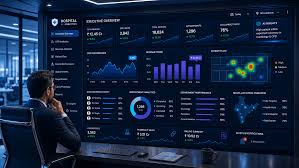
Executive dashboards.
Healthcare digital transformation.
Ethical AI governance.
Cybersecurity awareness.
Strategic AI implementation.
Evidence-based management.
Why American Board?
Artificial intelligence is becoming a strategic capability for healthcare organizations seeking to improve operational efficiency, optimize resource utilization, strengthen financial sustainability, enhance patient experience, support executive decision-making, and remain competitive in an increasingly digital healthcare environment.
Is a credential available?
Participants who attend at least 75% of the scheduled training hours and actively participate in lectures, workshops, practical exercises, and case study discussions will receive an Executive Professional Training Certificate issued by the American Board recognizing competency in artificial intelligence applications for hospital management. This certificate does not certify participants as AI developers or software engineers.
Quick summary
- AI fundamentals for healthcare leaders.
- Healthcare data analytics.
- Predictive operational planning.
- Hospital scheduling optimization.
- Bed management improvement.
- Resource allocation strategies.
- Workforce optimization.
- Financial analytics.
- Supply chain intelligence.
- Executive dashboards.
- Healthcare digital transformation.
- Ethical AI governance.
- Cybersecurity awareness.
- Strategic AI implementation.
- Evidence-based management.
Problems this course helps you solve
- Operational inefficiencies.
- Long patient waiting times.
- Poor appointment scheduling.
- Inefficient workforce utilization.
- Weak resource allocation.
- Inventory waste.
- Financial forecasting challenges.
- Billing inaccuracies.
- Limited decision support.
- Data underutilization.
- AI implementation uncertainty.
- Healthcare digital transformation challenges.
Other common names: AI for Hospital Management Course، Healthcare Artificial Intelligence Course، Hospital AI Training، AI in Healthcare Administration، Healthcare Digital Transformation Course، Artificial Intelligence for Healthcare Leaders، Hospital Management AI Program
About Artificial Intelligence Applications in Hospital Management Course
This course teaches healthcare leaders how to apply artificial intelligence to improve hospital operations, optimize scheduling, enhance workforce management, strengthen financial performance, support executive decision-making, improve patient flow, and manage healthcare resources while addressing ethical, regulatory, and cybersecurity considerations.
Why is Artificial Intelligence Applications in Hospital Management Course important?
Artificial intelligence is becoming a strategic capability for healthcare organizations seeking to improve operational efficiency, optimize resource utilization, strengthen financial sustainability, enhance patient experience, support executive decision-making, and remain competitive in an increasingly digital healthcare environment.
What will you learn in Artificial Intelligence Applications in Hospital Management Course؟
- Understand artificial intelligence fundamentals.
- Differentiate AI, machine learning, and deep learning.
- Interpret healthcare data analytics concepts.
- Identify AI applications in hospital management.
- Improve operational efficiency using AI.
- Optimize patient scheduling and appointment management.
- Enhance hospital resource utilization.
- Support executive decision-making with predictive analytics.
- Improve workforce planning using AI.
- Optimize financial forecasting and budgeting.
- Strengthen supply chain management.
- Identify fraud detection opportunities.
- Evaluate ethical implications of AI.
- Manage healthcare data privacy requirements.
- Assess cybersecurity risks associated with AI.
- Develop an AI implementation roadmap for healthcare organizations.
Outcomes of Artificial Intelligence Applications in Hospital Management Course
- Understand artificial intelligence fundamentals.
- Differentiate AI, machine learning, and deep learning.
- Interpret healthcare data analytics concepts.
- Identify AI applications in hospital management.
- Improve operational efficiency using AI.
- Optimize patient scheduling and appointment management.
- Enhance hospital resource utilization.
- Support executive decision-making with predictive analytics.
- Improve workforce planning using AI.
- Optimize financial forecasting and budgeting.
- Strengthen supply chain management.
- Identify fraud detection opportunities.
- Evaluate ethical implications of AI.
- Manage healthcare data privacy requirements.
- Assess cybersecurity risks associated with AI.
- Develop an AI implementation roadmap for healthcare organizations.
Structure of Artificial Intelligence Applications in Hospital Management Course
- Module 1: Artificial Intelligence Fundamentals for Healthcare Leaders
AI, machine learning, deep learning, healthcare digital transformation, healthcare data ecosystems, executive AI strategy, global healthcare AI case studies, and big data fundamentals. - Module 2: AI for Hospital Operations and Resource Management
Intelligent appointment scheduling, patient flow optimization, demand forecasting, bed management, operating room utilization, equipment optimization, predictive resource planning, and logistics management. - Module 3: AI in Human Resources, Finance, and Supply Chain Management
Workforce scheduling, recruitment analytics, staff retention, financial forecasting, billing optimization, fraud detection, inventory prediction, procurement automation, and supply chain intelligence. - Module 4: Executive Decision Support and Healthcare Analytics
Executive dashboards, performance analytics, KPI monitoring, predictive decision support, healthcare business intelligence, strategic planning, operational reporting, and data-driven leadership. - Module 5: AI Governance, Ethics, Cybersecurity, and Future Trends
Responsible AI, healthcare ethics, data privacy, regulatory compliance, cybersecurity risks, implementation challenges, organizational readiness, emerging technologies, and AI adoption roadmaps.
Modules of Artificial Intelligence Applications in Hospital Management Course
- Module 1: Artificial Intelligence Fundamentals for Healthcare Leaders | AI, machine learning, deep learning, healthcare digital transformation, healthcare data ecosystems, executive AI strategy, global healthcare AI case studies, and big data fundamentals.
- Module 2: AI for Hospital Operations and Resource Management | Intelligent appointment scheduling, patient flow optimization, demand forecasting, bed management, operating room utilization, equipment optimization, predictive resource planning, and logistics management.
- Module 3: AI in Human Resources, Finance, and Supply Chain Management | Workforce scheduling, recruitment analytics, staff retention, financial forecasting, billing optimization, fraud detection, inventory prediction, procurement automation, and supply chain intelligence.
- Module 4: Executive Decision Support and Healthcare Analytics | Executive dashboards, performance analytics, KPI monitoring, predictive decision support, healthcare business intelligence, strategic planning, operational reporting, and data-driven leadership.
- Module 5: AI Governance, Ethics, Cybersecurity, and Future Trends | Responsible AI, healthcare ethics, data privacy, regulatory compliance, cybersecurity risks, implementation challenges, organizational readiness, emerging technologies, and AI adoption roadmaps.
Target audience for Artificial Intelligence Applications in Hospital Management Course
Hospital executives
Healthcare administrators
Department managers
Quality managers
Healthcare IT professionals
Healthcare analysts
Human resources managers
Finance managers
Supply chain managers
Healthcare consultants
Healthcare planners
Healthcare management students
Prerequisites
- No programming experience is required.
- Basic understanding of healthcare operations is recommended.
- Interest in healthcare leadership or digital transformation.
- Ability to participate in workshops and discussions.
- Commitment to completing practical activities.
- Attendance of at least 75% of training hours.
Projects and practical work
- Develop an AI implementation strategy for a hospital.
- Analyze a hospital workflow suitable for AI automation.
- Design a predictive appointment scheduling model.
- Prepare an AI-based workforce optimization proposal.
- Develop a hospital resource allocation improvement plan.
- Create a healthcare executive dashboard.
- Conduct an AI readiness assessment.
- Analyze ethical risks associated with AI deployment.
- Prepare a cybersecurity risk assessment for AI systems.
- Present a digital transformation roadmap for a healthcare organization.
Tools and software used
- Artificial Intelligence (AI)
- Machine Learning
- Deep Learning
- Healthcare Analytics
- Predictive Analytics
- Business Intelligence Dashboards
- Big Data Analytics
- Hospital Information Systems
- Decision Support Systems
- Workforce Analytics
- Financial Forecasting Models
- Supply Chain Analytics
- Performance Indicators (KPIs)
- Healthcare Digital Transformation
- AI Governance Frameworks
Related jobs and skills after the course
- Hospital Chief Executive Officer
- Hospital Administrator
- Healthcare Operations Manager
- Healthcare Quality Manager
- Healthcare Data Analyst
- Healthcare Information Manager
- Chief Digital Officer
- Healthcare IT Manager
- Healthcare Consultant
- Digital Transformation Manager
- Healthcare Project Manager
- Healthcare Innovation Director
Benefits of learning with American Board
- AI fundamentals for healthcare leaders.
- Healthcare data analytics.
- Predictive operational planning.
- Hospital scheduling optimization.
- Bed management improvement.
- Resource allocation strategies.
- Workforce optimization.
- Financial analytics.
- Supply chain intelligence.
- Executive dashboards.
- Healthcare digital transformation.
- Ethical AI governance.
- Cybersecurity awareness.
- Strategic AI implementation.
- Evidence-based management.
Study details
| Delivery mode | Online |
|---|---|
| Course language | English |
| Duration | 15 Training Hours (5 Lectures) hours |
| In-person location | General |
| Credential | AI for Hospital Management Training Course |
| Credential type | Executive Professional Training Certificate |
| Accrediting body | American Board for Professional Training |
| Official accrediting body name | American Board for Professional Training |
| Accreditation reference | Open reference |
| Credential and issuer clarification | Participants who attend at least 75% of the scheduled training hours and actively participate in lectures, workshops, practical exercises, and case study discussions will receive an Executive Professional Training Certificate issued by the American Board recognizing competency in artificial intelligence applications for hospital management. This certificate does not certify participants as AI developers or software engineers. |
| Price | 385 USD |
Related questions about Artificial Intelligence Applications in Hospital Management Course
Who should attend this course?
This course is designed for hospital executives, healthcare administrators, department managers, healthcare IT professionals, quality managers, healthcare consultants, digital transformation leaders, and anyone responsible for improving healthcare operations.
Do I need programming or AI development experience?
No. The course focuses on the practical management and strategic applications of artificial intelligence rather than software development or coding.
Will I learn how AI supports hospital management?
Yes. Participants learn how AI improves scheduling, patient flow, workforce planning, financial management, inventory control, operational efficiency, and executive decision-making.
Does the course address ethical and legal issues?
Yes. The curriculum includes responsible AI, healthcare data privacy, cybersecurity, regulatory compliance, algorithmic bias, and governance considerations for healthcare organizations.
Can I attend online?
Yes. The course is available through live online training, classroom instruction, and hotel-based executive delivery. Online participants receive recorded lectures for 12 months after course completion.
Are practical case studies included?
Yes. Participants analyze real-world healthcare AI applications, complete implementation exercises, evaluate operational scenarios, and develop AI adoption strategies for healthcare organizations.
What certificate will I receive?
Participants who meet the attendance and participation requirements receive an Executive Professional Training Certificate issued by the American Board recognizing competency in Artificial Intelligence Applications in Hospital Management.
Frequently asked questions about Artificial Intelligence Applications in Hospital Management Course
Who should attend this course?
This course is designed for hospital executives, healthcare administrators, department managers, healthcare IT professionals, quality managers, healthcare consultants, digital transformation leaders, and anyone responsible for improving healthcare operations.
Do I need programming or AI development experience?
No. The course focuses on the practical management and strategic applications of artificial intelligence rather than software development or coding.
Will I learn how AI supports hospital management?
Yes. Participants learn how AI improves scheduling, patient flow, workforce planning, financial management, inventory control, operational efficiency, and executive decision-making.
Does the course address ethical and legal issues?
Yes. The curriculum includes responsible AI, healthcare data privacy, cybersecurity, regulatory compliance, algorithmic bias, and governance considerations for healthcare organizations.
Can I attend online?
Yes. The course is available through live online training, classroom instruction, and hotel-based executive delivery. Online participants receive recorded lectures for 12 months after course completion.
Are practical case studies included?
Yes. Participants analyze real-world healthcare AI applications, complete implementation exercises, evaluate operational scenarios, and develop AI adoption strategies for healthcare organizations.
What certificate will I receive?
Participants who meet the attendance and participation requirements receive an Executive Professional Training Certificate issued by the American Board recognizing competency in Artificial Intelligence Applications in Hospital Management.
Find other American Board courses
Use course search to find diplomas and courses in the same field or related skill areas.
Is this course right for you?
Target audience
- Hospital executives
- Healthcare administrators
- Department managers
- Quality managers
- Healthcare IT professionals
- Healthcare analysts
- Human resources managers
- Finance managers
- Supply chain managers
- Healthcare consultants
- Healthcare planners
- Healthcare management students
- Hospital administrators
- Healthcare CEOs
- Medical directors
- Healthcare quality managers
- Healthcare operations managers
- Healthcare data analysts
Course schedule and training providers
Choose the provider and venue that best suit you. Fees and availability may differ by intake.
| Country | Training provider | Venue | Fee |
|---|---|---|---|
| Egypt | American Board for Professional Training | General | 385 USD |
Express your interest
Submit your details and the course team will contact you about the schedule you select.
Complete the internal registration form to enroll in the Artificial Intelligence Applications in Hospital Management Course. After your application has been reviewed, our admissions team will contact you with enrollment confirmation, payment instructions, and the next available training schedule. Join healthcare leaders preparing to leverage artificial intelligence for smarter decision-making, operational excellence, and sustainable digital transformation in modern healthcare organizations.