Fitness and Functional Measurement Program
A professional sports science training program covering physical fitness testing, functional measurements, physiological assessment, cardiovascular evaluation, anthropometric measurements, and athlete performance analysis.
Why is this course included in American Board pathways?
Recommended for professionals responsible for athlete evaluation, fitness testing, physiological assessment, sports performance monitoring, and evidence-based coaching practices.
Trust summary
- Clearly stated duration: 15 Training Hours (5 Lectures) hours.
- Credential stated: Fitness Physical & Functional Tests Training Course.
- Delivery mode: Online.
- Curriculum and modules are displayed on this page.
Search intents covered by this course
How should you choose this course?
Choose this course when you need practical understanding, clear professional requirements, and a structured learning path instead of fragmented information.
When is this type of training useful?
It is useful when entering the field, developing your professional role, or preparing a team that needs a shared understanding of standards and practical steps.
A professional sports science training program covering physical fitness testing, functional measurements, physiological assessment, cardiovascular evaluation, anthropometric measurements, and athlete performance analysis.
How are physical and functional measurements used to improve athletic performance?
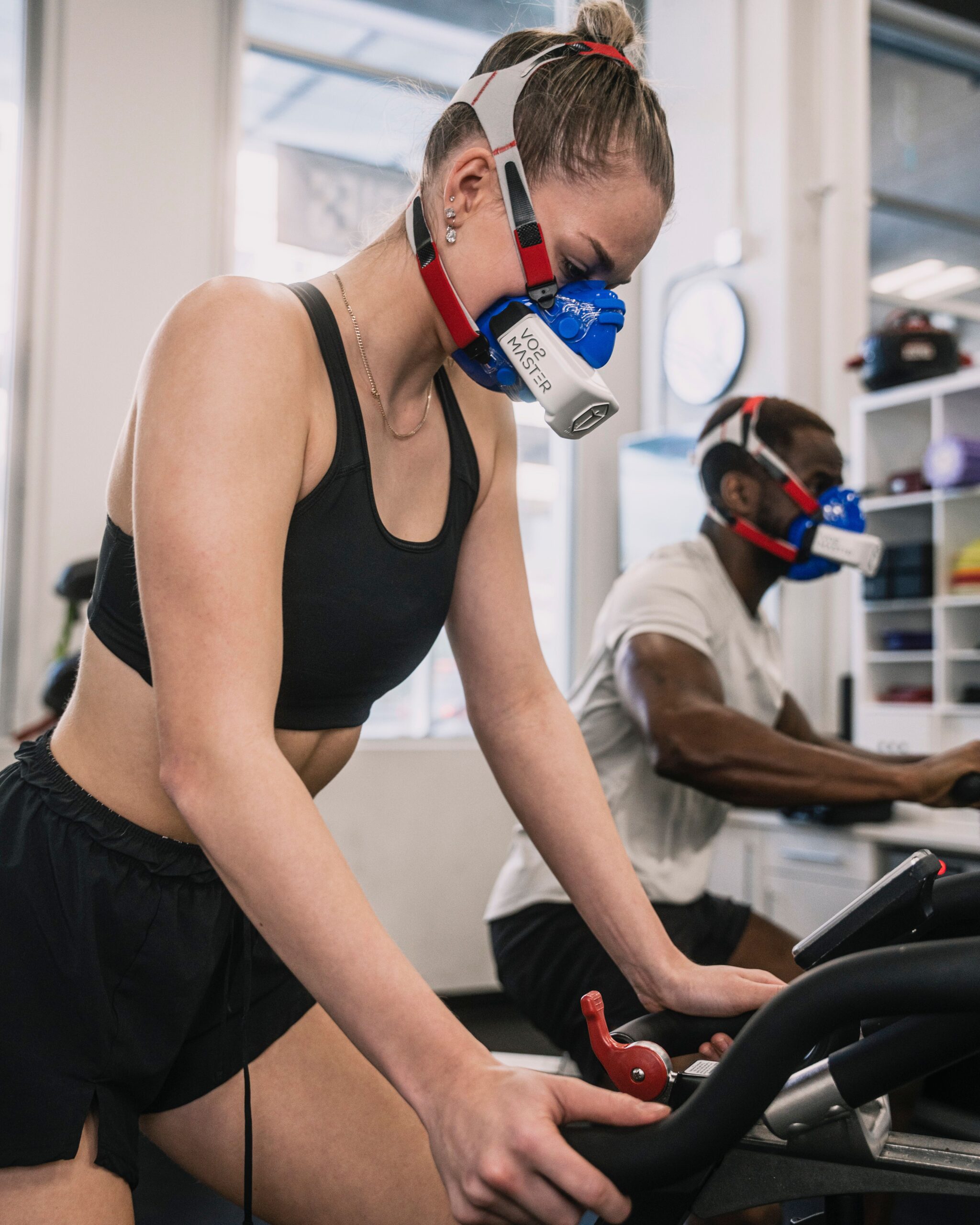
The Fitness and Functional Measurement Program prepares professionals to assess athletic performance using standardized physical fitness tests, physiological measurements, anthropometric assessments, cardiovascular evaluations, and evidence-based sports testing methods.
Quick answers about Fitness and Functional Measurement Program
What is this course?
The Fitness and Functional Measurement Program prepares professionals to assess athletic performance using standardized physical fitness tests, physiological measurements, anthropometric assessments, cardiovascular evaluations, and evidence-based sports testing methods.
Who is this course for?
Sports Coaches
Strength and Conditioning Coaches
Sports Scientists
Physical Education Students
Sports Researchers
Fitness Trainers
Health Club Trainers
Sports Performance Analysts
Exercise Physiologists
Athletic Trainers
Sports Academy Coaches
Professionals Interested in Sports Testing
What will you learn?
Understand measurement, testing, and evaluation principles.
Differentiate between measurement, testing, and evaluation.
Interpret measurement standards.
Identify common measurement errors.
Perform anthropometric measurements.
Administer physical fitness tests.
Evaluate muscular strength and endurance.
Measure speed and reaction performance.
Assess flexibility and balance.
Conduct cardiovascular functional tests.
Evaluate cardiorespiratory fitness.
Measure aerobic and anaerobic capacity.
Interpret physiological performance data.
Apply scientific testing throughout training cycles.
What is the expected outcome?
Sports measurement principles.
Physical fitness testing.
Functional assessment.
Anthropometric measurements.
Strength evaluation.
Speed assessment.
Flexibility testing.
Balance assessment.
Cardiovascular testing.
Aerobic capacity measurement.
Anaerobic capacity testing.
Sports performance analysis.
Is this course suitable for beginners?
Yes. The course starts with measurement and testing fundamentals before introducing practical assessment techniques and advanced physiological evaluations.
Why American Board?
Modern sports training depends on objective measurements rather than subjective observation alone. Scientific testing enables coaches and sports professionals to evaluate athletic readiness, identify strengths and weaknesses, monitor training progress, reduce injury risks, and optimize athletic performance through evidence-based decision-making.
Is a credential available?
Participants who attend at least 75% of the scheduled training hours and actively participate in the practical training sessions will receive the American Board Professional Training Certificate in Fitness and Functional Measurement.
Quick summary
- Sports measurement principles.
- Physical fitness testing.
- Functional assessment.
- Anthropometric measurements.
- Strength evaluation.
- Speed assessment.
- Flexibility testing.
- Balance assessment.
- Cardiovascular testing.
- Aerobic capacity measurement.
- Anaerobic capacity testing.
- Sports performance analysis.
Problems this course helps you solve
- Limited understanding of sports testing.
- Inaccurate athlete evaluation.
- Poor monitoring of training progress.
- Lack of standardized testing procedures.
- Weak physiological assessment skills.
- Difficulty selecting athletes objectively.
- Limited knowledge of cardiovascular assessment.
- Insufficient functional performance evaluation.
- Need for evidence-based coaching decisions.
Other common names: Fitness Testing Course، Sports Performance Assessment Program، Physical Fitness Measurement Course، Functional Testing in Sports، Sports Science Assessment Course، Exercise Physiology Testing Program، Athlete Performance Evaluation Course
About Fitness and Functional Measurement Program
The Fitness and Functional Measurement Program prepares professionals to assess athletic performance using standardized physical fitness tests, physiological measurements, anthropometric assessments, cardiovascular evaluations, and evidence-based sports testing methods.
Why is Fitness and Functional Measurement Program important?
Modern sports training depends on objective measurements rather than subjective observation alone. Scientific testing enables coaches and sports professionals to evaluate athletic readiness, identify strengths and weaknesses, monitor training progress, reduce injury risks, and optimize athletic performance through evidence-based decision-making.
What will you learn in Fitness and Functional Measurement Program؟
- Understand measurement, testing, and evaluation principles.
- Differentiate between measurement, testing, and evaluation.
- Interpret measurement standards.
- Identify common measurement errors.
- Perform anthropometric measurements.
- Administer physical fitness tests.
- Evaluate muscular strength and endurance.
- Measure speed and reaction performance.
- Assess flexibility and balance.
- Conduct cardiovascular functional tests.
- Evaluate cardiorespiratory fitness.
- Measure aerobic and anaerobic capacity.
- Interpret physiological performance data.
- Apply scientific testing throughout training cycles.
Outcomes of Fitness and Functional Measurement Program
- Understand measurement, testing, and evaluation principles.
- Differentiate between measurement, testing, and evaluation.
- Interpret measurement standards.
- Identify common measurement errors.
- Perform anthropometric measurements.
- Administer physical fitness tests.
- Evaluate muscular strength and endurance.
- Measure speed and reaction performance.
- Assess flexibility and balance.
- Conduct cardiovascular functional tests.
- Evaluate cardiorespiratory fitness.
- Measure aerobic and anaerobic capacity.
- Interpret physiological performance data.
- Apply scientific testing throughout training cycles.
Structure of Fitness and Functional Measurement Program
- Module 1 – Fundamentals of Measurement and Evaluation
Introduces scientific measurement principles, testing concepts, evaluation methods, measurement standards, validity, reliability, testing errors, and performance assessment frameworks. - Module 2 – Anthropometric and Physical Fitness Measurements
Covers anthropometric assessment, body measurements, muscular strength, endurance, speed, flexibility, balance, agility, and standardized physical fitness testing procedures. - Module 3 – Functional and Cardiovascular Assessment
Explains cardiovascular and respiratory testing, pulse measurement, blood pressure assessment, classical functional tests, and physiological evaluation techniques. - Module 4 – Performance Physiology and Fitness Evaluation
Covers aerobic capacity, anaerobic capacity, VO₂ max estimation, vital capacity measurement, blood lactate testing, and athlete performance interpretation. - Module 5 – Practical Testing Applications
Applies scientific testing procedures through practical demonstrations, athlete assessments, performance analysis, data interpretation, and training program evaluation.
Modules of Fitness and Functional Measurement Program
- Module 1 – Fundamentals of Measurement and Evaluation | Introduces scientific measurement principles, testing concepts, evaluation methods, measurement standards, validity, reliability, testing errors, and performance assessment frameworks.
- Module 2 – Anthropometric and Physical Fitness Measurements | Covers anthropometric assessment, body measurements, muscular strength, endurance, speed, flexibility, balance, agility, and standardized physical fitness testing procedures.
- Module 3 – Functional and Cardiovascular Assessment | Explains cardiovascular and respiratory testing, pulse measurement, blood pressure assessment, classical functional tests, and physiological evaluation techniques.
- Module 4 – Performance Physiology and Fitness Evaluation | Covers aerobic capacity, anaerobic capacity, VO₂ max estimation, vital capacity measurement, blood lactate testing, and athlete performance interpretation.
- Module 5 – Practical Testing Applications | Applies scientific testing procedures through practical demonstrations, athlete assessments, performance analysis, data interpretation, and training program evaluation.
Target audience for Fitness and Functional Measurement Program
Sports Coaches
Strength and Conditioning Coaches
Sports Scientists
Physical Education Students
Sports Researchers
Exercise Physiologists
Fitness Trainers
Athletic Trainers
Sports Performance Analysts
Health Club Trainers
Sports Academy Instructors
Professionals Interested in Sports Testing
Target countries and study availability
Target countries: Worldwide، Middle East، Africa، Europe، Asia، North America، South America
Available online outside Egypt: Yes
Open to participants worldwide. International learners can complete the entire program through live online interactive sessions.
Prerequisites
- Interest in sports science or physical education.
- Basic understanding of human anatomy is beneficial.
- No previous testing experience is required.
- Commitment to practical assessment activities.
- Participation in practical demonstrations and workshops.
Projects and practical work
- Conduct a complete athlete fitness assessment.
- Perform anthropometric measurements.
- Develop a physical fitness testing protocol.
- Measure cardiovascular fitness indicators.
- Evaluate aerobic and anaerobic performance.
- Interpret physiological testing results.
- Prepare a comprehensive athlete assessment report.
Tools and software used
- Anthropometric Measurement Techniques.
- Physical Fitness Testing Protocols.
- VO₂ Max Assessment Methods.
- Blood Pressure Measurement.
- Pulse Rate Monitoring.
- Blood Lactate Testing.
- Cardiorespiratory Fitness Assessment.
- Aerobic Capacity Evaluation.
- Anaerobic Capacity Testing.
- Sports Performance Analysis Methods.
Related jobs and skills after the course
- Sports Scientist
- Sports Performance Analyst
- Strength and Conditioning Coach
- Fitness Assessment Specialist
- Exercise Physiologist
- Sports Coach
- Athletic Performance Coach
- Sports Researcher
- Physical Education Instructor
- Fitness Consultant
- Health Club Trainer
- Sports Testing Specialist
Benefits of learning with American Board
- Sports measurement principles.
- Physical fitness testing.
- Functional assessment.
- Anthropometric measurements.
- Strength evaluation.
- Speed assessment.
- Flexibility testing.
- Balance assessment.
- Cardiovascular testing.
- Aerobic capacity measurement.
- Anaerobic capacity testing.
- Sports performance analysis.
Study details
| Delivery mode | Online |
|---|---|
| Course language | English |
| International pricing note | International pricing is calculated approximately from the local tuition fee and may vary depending on exchange rates, promotional offers, taxes, or payment processing fees. |
| Duration | 15 Training Hours (5 Lectures) hours |
| In-person location | General |
| Credential | Fitness Physical & Functional Tests Training Course |
| Credential type | Professional Training Certificate |
| Accrediting body | American Board for Professional Training |
| Credential or accreditation body type | Professional Training Certification |
| Official accrediting body name | American Board for Professional Training |
| Accreditation reference | Open reference |
| Credential and issuer clarification | Participants who attend at least 75% of the scheduled training hours and actively participate in the practical training sessions will receive the American Board Professional Training Certificate in Fitness and Functional Measurement. |
| Training assistant or coordinator | American Board Admissions Team |
| What the price includes | Training sessions. Professional learning materials. Instructor support. Recorded lectures for 12 months (online participants). Professional course certificate. |
| Additional fees | Hotel hall booking fees apply only if attending on-site training outside the main academy headquarters. |
| Price | 170 USD |
Why might American Board be a suitable choice for Fitness and Functional Measurement Program؟
Recommended for professionals responsible for athlete evaluation, fitness testing, physiological assessment, sports performance monitoring, and evidence-based coaching practices.
Links related to Fitness and Functional Measurement Program
- Sports Science Courses
- Sports Performance Programs
- Exercise Physiology Courses
- Fitness Assessment Training
Supporting articles about Fitness and Functional Measurement Program
- Understanding VO₂ Max
- Fitness Testing Standards
- Exercise Physiology Fundamentals
- Sports Performance Assessment Guide
Related questions about Fitness and Functional Measurement Program
What is the Fitness and Functional Measurement Program?
It is a professional training program that teaches participants how to conduct standardized physical fitness tests, physiological assessments, and functional performance measurements used in modern sports science.
Who should attend this course?
Sports coaches, sports scientists, physical education students, exercise physiologists, fitness trainers, athletic trainers, and professionals involved in athlete performance evaluation.
Will I learn practical fitness testing methods?
Yes. Participants practice anthropometric measurements, cardiovascular assessments, muscular fitness tests, aerobic and anaerobic capacity evaluations, and functional performance testing.
Does the course include physiological measurements?
Yes. The program covers pulse measurement, blood pressure assessment, VO₂ max estimation, blood lactate testing, vital capacity measurement, and cardiorespiratory fitness evaluation.
Is previous sports science experience required?
No. The course begins with measurement fundamentals before progressing to advanced testing techniques and practical applications.
Can I attend the course online?
Yes. The program is available through live online training, classroom sessions, and hotel-based executive training.
How do I receive the certificate?
Participants must attend at least 75% of the training hours and actively participate in lectures and practical exercises.
Frequently asked questions about Fitness and Functional Measurement Program
What is the Fitness and Functional Measurement Program?
It is a professional training program that teaches participants how to conduct standardized physical fitness tests, physiological assessments, and functional performance measurements used in modern sports science.
Who should attend this course?
Sports coaches, sports scientists, physical education students, exercise physiologists, fitness trainers, athletic trainers, and professionals involved in athlete performance evaluation.
Will I learn practical fitness testing methods?
Yes. Participants practice anthropometric measurements, cardiovascular assessments, muscular fitness tests, aerobic and anaerobic capacity evaluations, and functional performance testing.
Does the course include physiological measurements?
Yes. The program covers pulse measurement, blood pressure assessment, VO₂ max estimation, blood lactate testing, vital capacity measurement, and cardiorespiratory fitness evaluation.
Is previous sports science experience required?
No. The course begins with measurement fundamentals before progressing to advanced testing techniques and practical applications.
Can I attend the course online?
Yes. The program is available through live online training, classroom sessions, and hotel-based executive training.
How do I receive the certificate?
Participants must attend at least 75% of the training hours and actively participate in lectures and practical exercises.
Find other American Board courses
Use course search to find diplomas and courses in the same field or related skill areas.
Course highlights
What this course is
A professional sports science training program that teaches physical fitness testing, physiological measurements, anthropometric assessment, cardiovascular evaluation, and scientific athlete performance analysis.
Who it is for
Sports Coaches.
Strength and Conditioning Coaches.
Sports Scientists.
Exercise Physiologists.
Fitness Trainers.
Physical Education Students.
Sports Researchers.
Athletic Trainers.
Performance Analysts.
What you will learn
Physical fitness testing.
Functional measurements.
Anthropometric assessment.
Cardiovascular testing.
Exercise physiology.
VO₂ max measurement.
Blood lactate analysis.
Aerobic capacity evaluation.
Anaerobic capacity testing.
Performance monitoring.
Sports data interpretation.
Expected outcome
Graduates will be able to perform standardized athlete assessments, analyze physical and physiological performance, monitor training progress, and support evidence-based coaching and sports performance improvement.
Beginner suitability
Yes. The course starts with measurement and testing fundamentals before introducing practical assessment techniques and advanced physiological evaluations.
Why American Board
American Board provides practical, internationally aligned professional education focused on scientific methodology, hands-on learning, and career-oriented competency development.
Certificate summary
American Board Professional Training Certificate in Fitness and Functional Measurement.
Is this course right for you?
Course benefits
- Apply scientific athlete assessment methods.
- Improve evidence-based coaching decisions.
- Measure athletic performance objectively.
- Monitor training progress accurately.
- Enhance physiological evaluation skills.
- Support athlete selection processes.
- Interpret fitness testing results professionally.
- Improve sports performance analysis.
- Develop practical testing competencies.
- Earn a professional certificate.
Target audience
- Sports Coaches
- Strength and Conditioning Coaches
- Sports Scientists
- Physical Education Students
- Sports Researchers
- Exercise Physiologists
- Fitness Trainers
- Athletic Trainers
- Sports Performance Analysts
- Health Club Trainers
- Sports Academy Instructors
- Professionals Interested in Sports Testing
- Sports Academy Coaches
Who should choose another path?
Individuals seeking sports coaching licenses, personal trainer certifications, or athlete-specific technical coaching rather than sports testing and performance assessment.
Availability and registration
Available countries and regions
Registration notes by country
Open to participants worldwide. International learners can complete the entire program through live online interactive sessions.
Certificate, accreditation and training team
Course schedule and training providers
Choose the provider and venue that best suit you. Fees and availability may differ by intake.
| Country | Training provider | Venue | Fee |
|---|---|---|---|
| Egypt | American Board for Professional Training | General | 170 USD |
Express your interest
Submit your details and the course team will contact you about the schedule you select.
Complete the official registration form to secure your place in the Fitness and Functional Measurement Program. After submitting your application, our admissions team will contact you to confirm enrollment, explain the available study options, provide payment instructions, and share the complete training schedule.