Vegetarian Nutrition Course
A professional vegetarian nutrition training course covering the nutritional foundations of plant-based eating, vegetarian dietary patterns, nutrient requirements, potential deficiencies, food alternatives, balanced meal planning, and nutrition considerations across different stages of life.
Why is this course included in American Board pathways?
This course is suitable for participants who need structured professional knowledge of vegetarian and plant-based nutrition, including dietary patterns, nutritional adequacy, nutrient considerations, food alternatives, meal planning, and life-stage requirements. It is an educational program and does not replace individualized clinical nutrition care.
Trust summary
- Clearly stated duration: 6 Training Hours (2 Instructor-Led Sessions) hours.
- Delivery mode: Online.
Search intents covered by this course
How should you choose this course?
Choose this course when you need practical understanding, clear professional requirements, and a structured learning path instead of fragmented information.
When is this type of training useful?
It is useful when entering the field, developing your professional role, or preparing a team that needs a shared understanding of standards and practical steps.
Supporting links and resources
A professional vegetarian nutrition training course covering the nutritional foundations of plant-based eating, vegetarian dietary patterns, nutrient requirements, potential deficiencies, food alternatives, balanced meal planning, and nutrition considerations across different stages of life.
Quick answers about Vegetarian Nutrition Course
Is this course suitable for beginners?
Yes. The course introduces vegetarian nutrition from foundational concepts and progressively covers vegetarian dietary patterns, nutrient requirements, potential deficiencies, food alternatives, balanced meal planning, and life-stage considerations.
Other common names: Vegetarian Nutrition Course، Vegetarian Diet Nutrition Training، Plant-Based Nutrition Course، Plant-Based Diet Training Course، Vegetarian Diet Planning Course، Vegetarian Nutrition Training، Professional Vegetarian Nutrition Course، Plant-Based Dietary Planning Course، Vegetarian Food and Nutrition Course، Vegetarian and Vegan Nutrition Course، Plant-Based Eating Nutrition Course، Vegetarian Meal Planning Course
About Vegetarian Nutrition Course
The Vegetarian Nutrition Course provides a practical and evidence-informed introduction to the nutritional principles involved in planning balanced vegetarian and plant-based diets. As interest in vegetarian eating continues to grow, nutrition professionals and other health-related practitioners need a clear understanding of how different vegetarian dietary patterns affect nutrient intake, meal composition, and overall dietary adequacy. The course provides a structured framework for understanding these considerations while addressing common misconceptions surrounding vegetarian nutrition.
Participants begin by examining the concept of vegetarian nutrition and the different levels and patterns of vegetarian eating. The course distinguishes between dietary approaches such as lacto-vegetarian, ovo-vegetarian, lacto-ovo vegetarian, and vegan patterns, helping participants understand how the inclusion or exclusion of specific animal-derived foods can influence nutritional planning. Attention is also given to the importance of considering the individual's overall dietary pattern rather than focusing on a single food or nutrient.
A central component of the training focuses on nutritional adequacy. Participants explore nutrients that require particular attention when animal foods are reduced or excluded, including protein, iron, vitamin B12, calcium, vitamin D, iodine, zinc, and omega-3 fatty acids. The course introduces practical food-based approaches for obtaining these nutrients through appropriate plant foods, fortified foods, and suitable alternatives, while emphasizing that individual nutritional requirements vary according to age, health status, activity level, and dietary pattern.
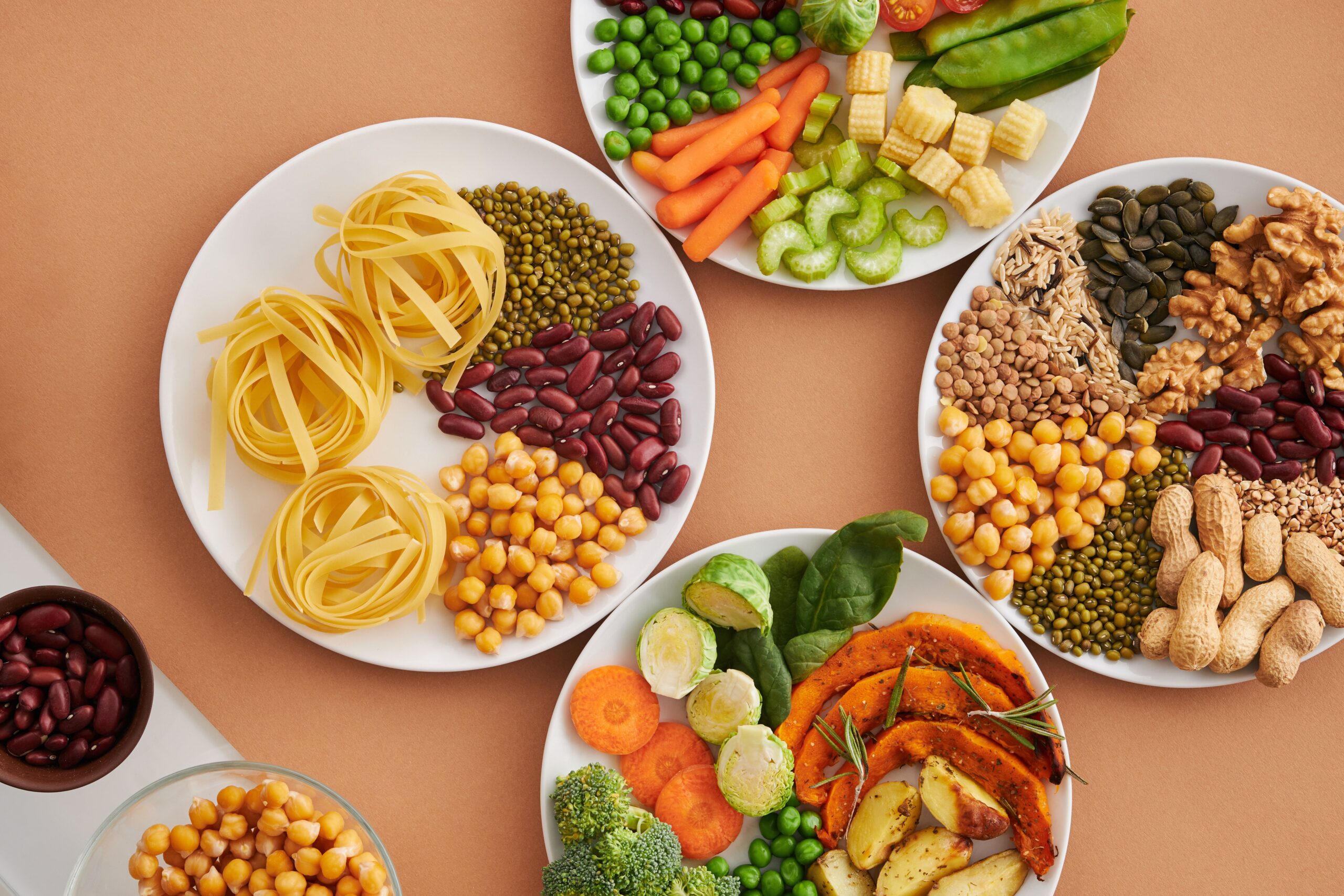
The program also examines the potential benefits and challenges associated with vegetarian diets. Participants learn how a well-planned plant-based dietary pattern can incorporate vegetables, fruits, legumes, whole grains, nuts, seeds, and other nutrient-dense foods while also understanding potential nutritional gaps that can arise from poorly planned diets. The course addresses common misconceptions and provides a balanced approach to discussing the potential advantages and limitations of vegetarian eating.
Special attention is given to vegetarian nutrition across different stages of life. Participants explore considerations relevant to children, adolescents, adults, older adults, and pregnancy, with emphasis on the importance of adequate energy, protein, micronutrient intake, and appropriate dietary variety. These sections help participants understand why nutritional planning should be adapted to the individual's developmental stage and circumstances rather than applying one standardized vegetarian diet to everyone.
The course concludes with practical approaches to developing balanced vegetarian meal patterns and reviewing dietary case examples. Participants learn how to assess food choices, identify possible nutritional gaps, select appropriate alternatives to animal products, and construct nutritionally balanced dietary patterns. The program is designed as professional nutrition education and does not replace individualized assessment or treatment by a qualified dietitian, physician, or other appropriately licensed healthcare professional.
Target audience for Vegetarian Nutrition Course
Nutrition Professionals
Dietitians
Nutritionists
Healthcare Professionals
Wellness Professionals
Health Coaches
Fitness Professionals
Food and Nutrition Educators
Healthcare Students
Nutrition Students
Public Health Professionals
Community Health Workers
Catering and Food Service Professionals
Parents and Educators Seeking Nutrition Knowledge
Professionals Supporting Vegetarian Clients
Professionals Interested in Plant-Based Nutrition
Target countries and study availability
Target countries: Egypt، Saudi Arabia، United Arab Emirates، Kuwait، Qatar، Bahrain، Oman، Jordan، United Kingdom، United States، International Participants
Available online outside Egypt: Yes
The course is available for international professional education. Participants applying the knowledge in clinical, healthcare, nutrition, education, or food-service environments should follow the professional licensing requirements, dietary regulations, and healthcare standards applicable in their country or jurisdiction.
Study details
| Delivery mode | Online |
|---|---|
| Course language | English |
| International pricing note | International pricing is calculated approximately from the local tuition fee and may vary depending on exchange rates, promotional offers, taxes, or payment processing fees. |
| Duration | 6 Training Hours (2 Instructor-Led Sessions) hours |
| In-person location | General |
| Credential or accreditation body type | Professional Training Certification |
| Training assistant or coordinator | American Board Admissions Team |
| What the price includes | Training sessions. Professional learning materials. Instructor support. Recorded lectures for 12 months (online participants). Professional course certificate. |
| Additional fees | None for online delivery |
| Price | 135 USD |
Why might American Board be a suitable choice for Vegetarian Nutrition Course؟
This course is suitable for participants who need structured professional knowledge of vegetarian and plant-based nutrition, including dietary patterns, nutritional adequacy, nutrient considerations, food alternatives, meal planning, and life-stage requirements. It is an educational program and does not replace individualized clinical nutrition care.
Links related to Vegetarian Nutrition Course
Supporting articles about Vegetarian Nutrition Course
Related questions about Vegetarian Nutrition Course
What is the Vegetarian Nutrition Course?
It is a professional training course covering the nutritional principles of vegetarian and plant-based diets, including vegetarian dietary patterns, nutrient requirements, potential deficiencies, food alternatives, meal planning, and life-stage considerations.
What vegetarian dietary patterns are covered?
The course introduces common vegetarian patterns, including lacto-vegetarian, ovo-vegetarian, lacto-ovo vegetarian, and vegan dietary patterns, and explains how differences in food inclusion affect nutritional planning.
What nutrients require special attention in vegetarian diets?
Depending on the dietary pattern, particular attention may be required for nutrients such as vitamin B12, iron, calcium, vitamin D, iodine, zinc, omega-3 fatty acids, and protein.
Can vegetarian diets provide enough protein?
A well-planned vegetarian diet can provide protein through foods such as legumes, soy foods, nuts, seeds, and whole grains. Protein requirements and food choices should be considered in the context of the individual's overall diet and nutritional needs.
Does the course cover vitamin B12?
Yes. Vitamin B12 is addressed as an important nutritional consideration, particularly for individuals who exclude animal-derived foods. Participants examine dietary sources and the role of fortified foods and supplementation where professionally appropriate.
What are the potential benefits of vegetarian diets?
A well-planned vegetarian dietary pattern can provide a wide variety of plant foods and important nutrients. Potential benefits depend on the overall quality and balance of the diet rather than vegetarianism alone.
Can a vegetarian diet cause nutrient deficiencies?
Poorly planned vegetarian diets can create nutritional gaps. The course teaches participants how to identify nutrients requiring attention and how dietary variety, fortified foods, appropriate alternatives, and professional guidance can support nutritional adequacy.
Does the course cover vegetarian nutrition for children?
Yes. The course introduces key nutritional considerations for children and adolescents, emphasizing adequate energy, protein, micronutrients, and dietary variety during periods of growth and development.
Frequently asked questions about Vegetarian Nutrition Course
What is the Vegetarian Nutrition Course?
It is a professional training course covering the nutritional principles of vegetarian and plant-based diets, including vegetarian dietary patterns, nutrient requirements, potential deficiencies, food alternatives, meal planning, and life-stage considerations.
What vegetarian dietary patterns are covered?
The course introduces common vegetarian patterns, including lacto-vegetarian, ovo-vegetarian, lacto-ovo vegetarian, and vegan dietary patterns, and explains how differences in food inclusion affect nutritional planning.
What nutrients require special attention in vegetarian diets?
Depending on the dietary pattern, particular attention may be required for nutrients such as vitamin B12, iron, calcium, vitamin D, iodine, zinc, omega-3 fatty acids, and protein.
Can vegetarian diets provide enough protein?
A well-planned vegetarian diet can provide protein through foods such as legumes, soy foods, nuts, seeds, and whole grains. Protein requirements and food choices should be considered in the context of the individual's overall diet and nutritional needs.
Does the course cover vitamin B12?
Yes. Vitamin B12 is addressed as an important nutritional consideration, particularly for individuals who exclude animal-derived foods. Participants examine dietary sources and the role of fortified foods and supplementation where professionally appropriate.
What are the potential benefits of vegetarian diets?
A well-planned vegetarian dietary pattern can provide a wide variety of plant foods and important nutrients. Potential benefits depend on the overall quality and balance of the diet rather than vegetarianism alone.
Can a vegetarian diet cause nutrient deficiencies?
Poorly planned vegetarian diets can create nutritional gaps. The course teaches participants how to identify nutrients requiring attention and how dietary variety, fortified foods, appropriate alternatives, and professional guidance can support nutritional adequacy.
Does the course cover vegetarian nutrition for children?
Yes. The course introduces key nutritional considerations for children and adolescents, emphasizing adequate energy, protein, micronutrients, and dietary variety during periods of growth and development.
Does the course cover vegetarian nutrition during pregnancy?
Yes. Pregnancy is addressed as a life stage requiring particular attention to nutritional adequacy. Individual pregnancy nutrition should be assessed and managed with appropriate healthcare or nutrition professionals.
Are vegan and vegetarian diets the same?
No. Vegetarian diets vary in their inclusion of animal-derived foods. Vegan diets generally exclude all animal-derived foods, while some vegetarian patterns include foods such as dairy products or eggs.
What food alternatives to animal products are discussed?
The course examines plant-based sources such as legumes, soy foods, nuts, seeds, whole grains, and other suitable foods that can contribute protein and other nutrients to vegetarian dietary patterns.
Does the course teach meal planning?
Yes. Participants learn principles for developing balanced vegetarian meal patterns, combining different food groups, improving dietary variety, and identifying potential nutritional gaps.
Find other American Board courses
Use course search to find diplomas and courses in the same field or related skill areas.
Course highlights
Beginner suitability
Yes. The course introduces vegetarian nutrition from foundational concepts and progressively covers vegetarian dietary patterns, nutrient requirements, potential deficiencies, food alternatives, balanced meal planning, and life-stage considerations.
Is this course right for you?
Target audience
- Nutrition Professionals
- Dietitians
- Nutritionists
- Healthcare Professionals
- Wellness Professionals
- Health Coaches
- Fitness Professionals
- Food and Nutrition Educators
- Healthcare Students
- Nutrition Students
- Public Health Professionals
- Community Health Workers
Who should choose another path?
The course is not a substitute for regulated education required to become a licensed dietitian, nutritionist, physician, or other healthcare professional. Individuals requiring individualized therapeutic nutrition should seek appropriate professional care.
Availability and registration
Available countries and regions
Registration notes by country
The course is available for international professional education. Participants applying the knowledge in clinical, healthcare, nutrition, education, or food-service environments should follow the professional licensing requirements, dietary regulations, and healthcare standards applicable in their country or jurisdiction.
Certificate, accreditation and training team
Course schedule and training providers
Choose the provider and venue that best suit you. Fees and availability may differ by intake.
| Country | Training provider | Venue | Fee |
|---|---|---|---|
| Egypt | American Board for Professional Training | General | 135 USD |
Express your interest
Submit your details and the course team will contact you about the schedule you select.
Professionals and individuals interested in developing their knowledge of vegetarian and plant-based nutrition are invited to complete the American Board registration form. The course provides structured educational training in vegetarian nutrition and dietary planning and should not be considered a substitute for individualized medical, dietetic, or clinical nutrition assessment.