
Artificial Intelligence Course for Logistics Activities
Learn how Artificial Intelligence transforms logistics and supply chain management through predictive analytics, demand forecasting, intelligent transportation planning, warehouse optimization, inventory management, and customer experience improvement.
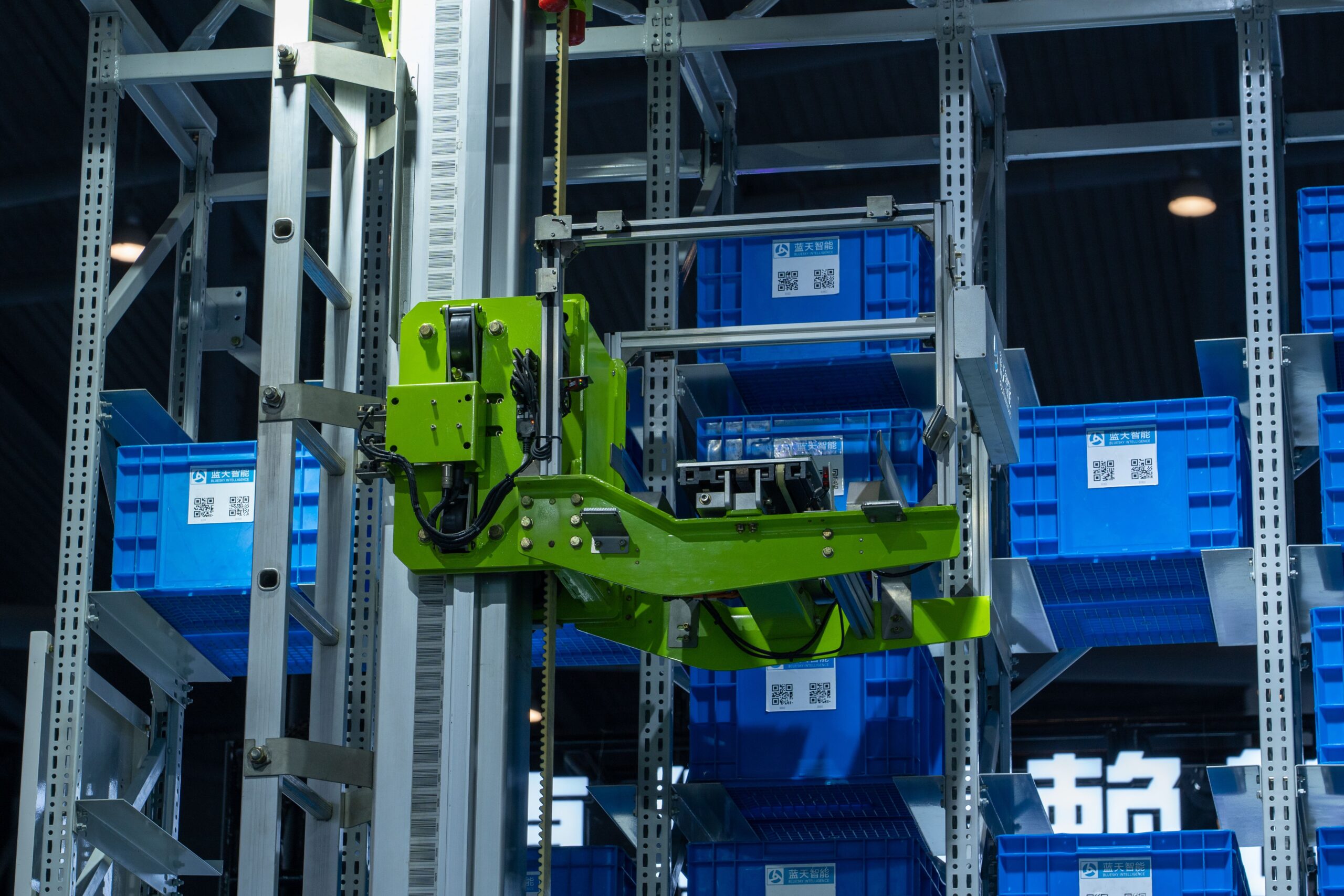
Why is this course included in American Board pathways?
Recommended for professionals seeking practical knowledge of Artificial Intelligence applications within logistics, warehousing, transportation, inventory management, and modern supply chain operations.
Trust summary
- Clearly stated duration: 15 Training Hours (5 Lectures) hours.
- Credential stated: Artificial Intelligence (AI) in Supply Chain & Logistics Training Course.
- Delivery mode: Online.
- Curriculum and modules are displayed on this page.
Search intents covered by this course
How should you choose this course?
Choose this course when you need practical understanding, clear professional requirements, and a structured learning path instead of fragmented information.
When is this type of training useful?
It is useful when entering the field, developing your professional role, or preparing a team that needs a shared understanding of standards and practical steps.
Learn how Artificial Intelligence transforms logistics and supply chain management through predictive analytics, demand forecasting, intelligent transportation planning, warehouse optimization, inventory management, and customer experience improvement.
What is an Artificial Intelligence Course for Logistics Activities?
This professional course teaches how Artificial Intelligence enhances logistics and supply chain operations through predictive analytics, machine learning, inventory optimization, transportation planning, warehouse management, demand forecasting, and customer experience improvement.
Quick answers about Artificial Intelligence Course for Logistics Activities
What is this course?
This professional course teaches how Artificial Intelligence enhances logistics and supply chain operations through predictive analytics, machine learning, inventory optimization, transportation planning, warehouse management, demand forecasting, and customer experience improvement.
Who is this course for?
Logistics managers
Supply chain managers
Warehouse managers
Inventory controllers
Procurement professionals
Transportation managers
Distribution managers
Operations managers
Business analysts
Digital transformation specialists
Data analysts
Import and export professionals
Production planners
Customer service managers
Business owners
Entrepreneurs
Supply chain consultants
Professionals seeking AI knowledge
What will you learn?
Understand Artificial Intelligence fundamentals.
Identify AI applications in logistics.
Apply predictive analytics to demand forecasting.
Improve inventory planning using AI.
Optimize transportation and distribution operations.
Analyze logistics data effectively.
Understand machine learning applications in supply chains.
Improve warehouse utilization through intelligent analytics.
Strengthen logistics security using AI technologies.
Enhance customer experience through intelligent logistics.
Support digital transformation initiatives.
Improve operational efficiency using AI-powered decision-making.
Reduce logistics costs through optimization techniques.
Evaluate AI opportunities within logistics operations.
What is the expected outcome?
Artificial Intelligence fundamentals.
Machine learning applications.
Predictive analytics.
Demand forecasting techniques.
Inventory optimization.
Transportation optimization.
Warehouse intelligence.
Customer experience enhancement.
Digital transformation.
Data-driven decision-making.
Supply chain optimization.
Operational efficiency improvement.
Is this course suitable for beginners?
Yes. No programming experience is required, and the course begins with AI fundamentals before progressing to practical logistics applications.
Why American Board?
Artificial Intelligence enables organizations to optimize logistics operations, improve planning accuracy, reduce operational costs, increase supply chain visibility, enhance customer satisfaction, and support strategic decision-making. As AI adoption continues to grow, logistics professionals with AI knowledge are becoming increasingly valuable across industries.
Is a credential available?
Participants who complete at least 75% of the total training hours and actively participate during the program will receive the American Board Professional Training Certificate in Artificial Intelligence for Supply Chain & Logistics.
Quick summary
- Artificial Intelligence fundamentals.
- Machine learning applications.
- Predictive analytics.
- Demand forecasting techniques.
- Inventory optimization.
- Transportation optimization.
- Warehouse intelligence.
- Customer experience enhancement.
- Digital transformation.
- Data-driven decision-making.
- Supply chain optimization.
- Operational efficiency improvement.
Problems this course helps you solve
- Poor demand forecasting.
- Inventory shortages.
- Excess inventory.
- Transportation inefficiencies.
- High logistics costs.
- Warehouse inefficiencies.
- Limited operational visibility.
- Manual decision-making.
- Customer delivery delays.
- Supply chain risks.
- Operational errors.
- Poor resource utilization.
Other common names: AI for Logistics Course، Artificial Intelligence in Supply Chain Course، AI Logistics Training، Smart Logistics Course، AI Warehouse Management Course، AI Supply Chain Management Training، Digital Logistics Course
About Artificial Intelligence Course for Logistics Activities
This professional course teaches how Artificial Intelligence enhances logistics and supply chain operations through predictive analytics, machine learning, inventory optimization, transportation planning, warehouse management, demand forecasting, and customer experience improvement.
Why is Artificial Intelligence Course for Logistics Activities important?
Artificial Intelligence enables organizations to optimize logistics operations, improve planning accuracy, reduce operational costs, increase supply chain visibility, enhance customer satisfaction, and support strategic decision-making. As AI adoption continues to grow, logistics professionals with AI knowledge are becoming increasingly valuable across industries.
What will you learn in Artificial Intelligence Course for Logistics Activities؟
- Understand Artificial Intelligence fundamentals.
- Identify AI applications in logistics.
- Apply predictive analytics to demand forecasting.
- Improve inventory planning using AI.
- Optimize transportation and distribution operations.
- Analyze logistics data effectively.
- Understand machine learning applications in supply chains.
- Improve warehouse utilization through intelligent analytics.
- Strengthen logistics security using AI technologies.
- Enhance customer experience through intelligent logistics.
- Support digital transformation initiatives.
- Improve operational efficiency using AI-powered decision-making.
- Reduce logistics costs through optimization techniques.
- Evaluate AI opportunities within logistics operations.
Outcomes of Artificial Intelligence Course for Logistics Activities
- Understand Artificial Intelligence fundamentals.
- Identify AI applications in logistics.
- Apply predictive analytics to demand forecasting.
- Improve inventory planning using AI.
- Optimize transportation and distribution operations.
- Analyze logistics data effectively.
- Understand machine learning applications in supply chains.
- Improve warehouse utilization through intelligent analytics.
- Strengthen logistics security using AI technologies.
- Enhance customer experience through intelligent logistics.
- Support digital transformation initiatives.
- Improve operational efficiency using AI-powered decision-making.
- Reduce logistics costs through optimization techniques.
- Evaluate AI opportunities within logistics operations.
Structure of Artificial Intelligence Course for Logistics Activities
- Introduction to Artificial Intelligence in Logistics
AI concepts, terminology, business value, and modern logistics applications. - Data Analytics and Demand Forecasting
Predictive analytics, machine learning, historical data analysis, demand forecasting, and inventory planning. - Transportation and Distribution Optimization
Intelligent routing, vehicle analytics, traffic analysis, shipment scheduling, route optimization, and transportation cost reduction. - AI-Powered Warehouse and Inventory Management
Inventory optimization, warehouse analytics, storage planning, space utilization, and intelligent inventory control. - Safety, Risk Management, and Smart Routing
AI applications for logistics security, threat detection, intelligent routing, and operational risk reduction. - Customer Experience and Digital Transformation
Shipment tracking, customer communication, intelligent notifications, service improvement, digital transformation, and future AI trends.
Modules of Artificial Intelligence Course for Logistics Activities
- Introduction to Artificial Intelligence in Logistics | AI concepts, terminology, business value, and modern logistics applications.
- Data Analytics and Demand Forecasting | Predictive analytics, machine learning, historical data analysis, demand forecasting, and inventory planning.
- Transportation and Distribution Optimization | Intelligent routing, vehicle analytics, traffic analysis, shipment scheduling, route optimization, and transportation cost reduction.
- AI-Powered Warehouse and Inventory Management | Inventory optimization, warehouse analytics, storage planning, space utilization, and intelligent inventory control.
- Safety, Risk Management, and Smart Routing | AI applications for logistics security, threat detection, intelligent routing, and operational risk reduction.
- Customer Experience and Digital Transformation | Shipment tracking, customer communication, intelligent notifications, service improvement, digital transformation, and future AI trends.
Target audience for Artificial Intelligence Course for Logistics Activities
Logistics professionals
Supply chain managers
Warehouse managers
Transportation managers
Procurement specialists
Inventory controllers
Operations managers
Business analysts
Digital transformation professionals
Data analysts
Import and export professionals
Distribution managers
Business owners
Entrepreneurs
Consultants
University graduates
Target countries and study availability
Target countries: Worldwide، Middle East، Africa، Europe، Asia، North America، South America
Available online outside Egypt: Yes
Open to professionals and students worldwide through online learning or classroom attendance where available.
Prerequisites
- Basic computer literacy.
- Interest in logistics or supply chain management.
- No programming experience required.
- Basic understanding of business operations is recommended.
Projects and practical work
- Analyze logistics data using AI concepts.
- Develop a demand forecasting case study.
- Create an inventory optimization plan.
- Evaluate transportation route optimization scenarios.
- Design an AI implementation roadmap for logistics.
- Assess warehouse improvement opportunities using intelligent analytics.
- Complete a customer experience improvement project.
Tools and software used
- Artificial Intelligence (AI)
- Machine Learning
- Predictive Analytics
- Big Data Analytics
- Demand Forecasting Models
- Inventory Optimization
- Transportation Optimization
- Route Planning
- Warehouse Analytics
- Logistics Information Systems
- Business Intelligence Dashboards
- Digital Transformation Frameworks
Related jobs and skills after the course
- AI Logistics Specialist
- Supply Chain Analyst
- Logistics Manager
- Warehouse Manager
- Operations Manager
- Transportation Manager
- Inventory Planning Specialist
- Demand Planner
- Digital Transformation Consultant
- Business Intelligence Analyst
- Supply Chain Consultant
- Procurement Manager
- Distribution Manager
- Logistics Data Analyst
- Customer Experience Manager
Benefits of learning with American Board
- Artificial Intelligence fundamentals.
- Machine learning applications.
- Predictive analytics.
- Demand forecasting techniques.
- Inventory optimization.
- Transportation optimization.
- Warehouse intelligence.
- Customer experience enhancement.
- Digital transformation.
- Data-driven decision-making.
- Supply chain optimization.
- Operational efficiency improvement.
Study details
| Delivery mode | Online |
|---|---|
| Course language | English |
| International pricing note | International pricing is calculated approximately from the local tuition fee and may vary depending on exchange rates, promotional offers, taxes, or payment processing fees. |
| Duration | 15 Training Hours (5 Lectures) hours |
| In-person location | General |
| Credential | Artificial Intelligence (AI) in Supply Chain & Logistics Training Course |
| Credential type | Professional Training Certificate |
| Accrediting body | American Board for Professional Training |
| Credential or accreditation body type | Professional Training Certification |
| Official accrediting body name | American Board for Professional Training |
| Accreditation reference | Open reference |
| Credential and issuer clarification | Participants who complete at least 75% of the total training hours and actively participate during the program will receive the American Board Professional Training Certificate in Artificial Intelligence for Supply Chain & Logistics. |
| Training assistant or coordinator | American Board Admissions Team |
| Session recordings | Yes |
| Practical files and exercises | Yes |
| What the price includes | Training sessions. Professional learning materials. Instructor support. Recorded lectures for 12 months (online participants). Professional course certificate. |
| Additional fees | Hotel hall booking fees apply only if attending on-site training outside the main academy headquarters. |
| Price | 455 USD |
Why might American Board be a suitable choice for Artificial Intelligence Course for Logistics Activities؟
Recommended for professionals seeking practical knowledge of Artificial Intelligence applications within logistics, warehousing, transportation, inventory management, and modern supply chain operations.
Links related to Artificial Intelligence Course for Logistics Activities
Supporting articles about Artificial Intelligence Course for Logistics Activities
Related questions about Artificial Intelligence Course for Logistics Activities
What is this course about?
This course teaches how Artificial Intelligence improves logistics and supply chain operations through predictive analytics, demand forecasting, warehouse optimization, transportation planning, and operational intelligence.
Who should attend this course?
Logistics professionals, warehouse managers, operations managers, supply chain specialists, procurement professionals, business analysts, and anyone interested in AI applications for logistics.
Do I need programming knowledge?
No. The course focuses on practical business applications of AI rather than software development or programming.
What AI technologies are introduced?
Participants learn about Artificial Intelligence, machine learning, predictive analytics, big data analytics, intelligent routing, and AI-powered decision support.
Will practical examples be included?
Yes. The program includes practical logistics scenarios, forecasting exercises, transportation optimization cases, and warehouse improvement examples.
Will I receive a certificate?
Yes. Participants who satisfy attendance and participation requirements receive an American Board Professional Training Certificate.
How long are recorded lectures available?
Online participants have access to recorded lectures for twelve months after program completion.
Frequently asked questions about Artificial Intelligence Course for Logistics Activities
What is this course about?
This course teaches how Artificial Intelligence improves logistics and supply chain operations through predictive analytics, demand forecasting, warehouse optimization, transportation planning, and operational intelligence.
Who should attend this course?
Logistics professionals, warehouse managers, operations managers, supply chain specialists, procurement professionals, business analysts, and anyone interested in AI applications for logistics.
Do I need programming knowledge?
No. The course focuses on practical business applications of AI rather than software development or programming.
What AI technologies are introduced?
Participants learn about Artificial Intelligence, machine learning, predictive analytics, big data analytics, intelligent routing, and AI-powered decision support.
Will practical examples be included?
Yes. The program includes practical logistics scenarios, forecasting exercises, transportation optimization cases, and warehouse improvement examples.
Will I receive a certificate?
Yes. Participants who satisfy attendance and participation requirements receive an American Board Professional Training Certificate.
How long are recorded lectures available?
Online participants have access to recorded lectures for twelve months after program completion.
Find other American Board courses
Use course search to find diplomas and courses in the same field or related skill areas.
Course highlights
What this course is
A professional training course that teaches how Artificial Intelligence can improve logistics and supply chain operations through predictive analytics, inventory optimization, transportation planning, and intelligent decision-making.
Who it is for
Logistics managers, supply chain professionals, warehouse managers, procurement specialists, operations managers, business analysts, and professionals pursuing digital transformation.
What you will learn
Participants learn AI fundamentals, demand forecasting, predictive analytics, warehouse optimization, intelligent transportation planning, logistics data analysis, and customer experience improvement.
Expected outcome
Graduates can identify, evaluate, and implement AI solutions that improve logistics performance, reduce operational costs, and support smarter business decisions.
Beginner suitability
Yes. No programming experience is required, and the course begins with AI fundamentals before progressing to practical logistics applications.
Why American Board
American Board programs combine practical industry applications with internationally recognized management and technology concepts that can be implemented immediately in the workplace.
Certificate summary
Graduates receive an American Board Professional Training Certificate in Artificial Intelligence for Supply Chain & Logistics.
Is this course right for you?
Course benefits
- Improve logistics efficiency.
- Reduce operational costs.
- Increase forecasting accuracy.
- Optimize inventory levels.
- Improve transportation planning.
- Enhance warehouse performance.
- Strengthen customer satisfaction.
- Support digital transformation initiatives.
- Improve data-driven decision-making.
- Increase organizational competitiveness.
Target audience
- Logistics professionals
- Supply chain managers
- Warehouse managers
- Transportation managers
- Procurement specialists
- Inventory controllers
- Operations managers
- Business analysts
- Digital transformation professionals
- Data analysts
- Import and export professionals
- Distribution managers
- Logistics managers
- Procurement professionals
- Digital transformation specialists
Who should choose another path?
Individuals seeking advanced AI programming, software engineering, or data science development rather than practical AI applications for logistics operations.
Availability and registration
Available countries and regions
Registration notes by country
Open to professionals and students worldwide through online learning or classroom attendance where available.
Certificate, accreditation and training team
Course schedule and training providers
Choose the provider and venue that best suit you. Fees and availability may differ by intake.
| Country | Training provider | Venue | Fee |
|---|---|---|---|
| Egypt | American Board for Professional Training | General | 455 USD |
Express your interest
Submit your details and the course team will contact you about the schedule you select.
Complete the registration form to reserve your seat in this professional Artificial Intelligence training program. Our admissions team will contact you with enrollment confirmation, payment instructions, course schedule, and access details for your selected learning format.