
Diploma in Professional Patient Communication and Care Excellence
Develop the communication, interpersonal, and patient-centered care skills needed to build trust, improve patient satisfaction, strengthen healthcare experiences, and deliver compassionate, professional service in hospitals and healthcare organizations.
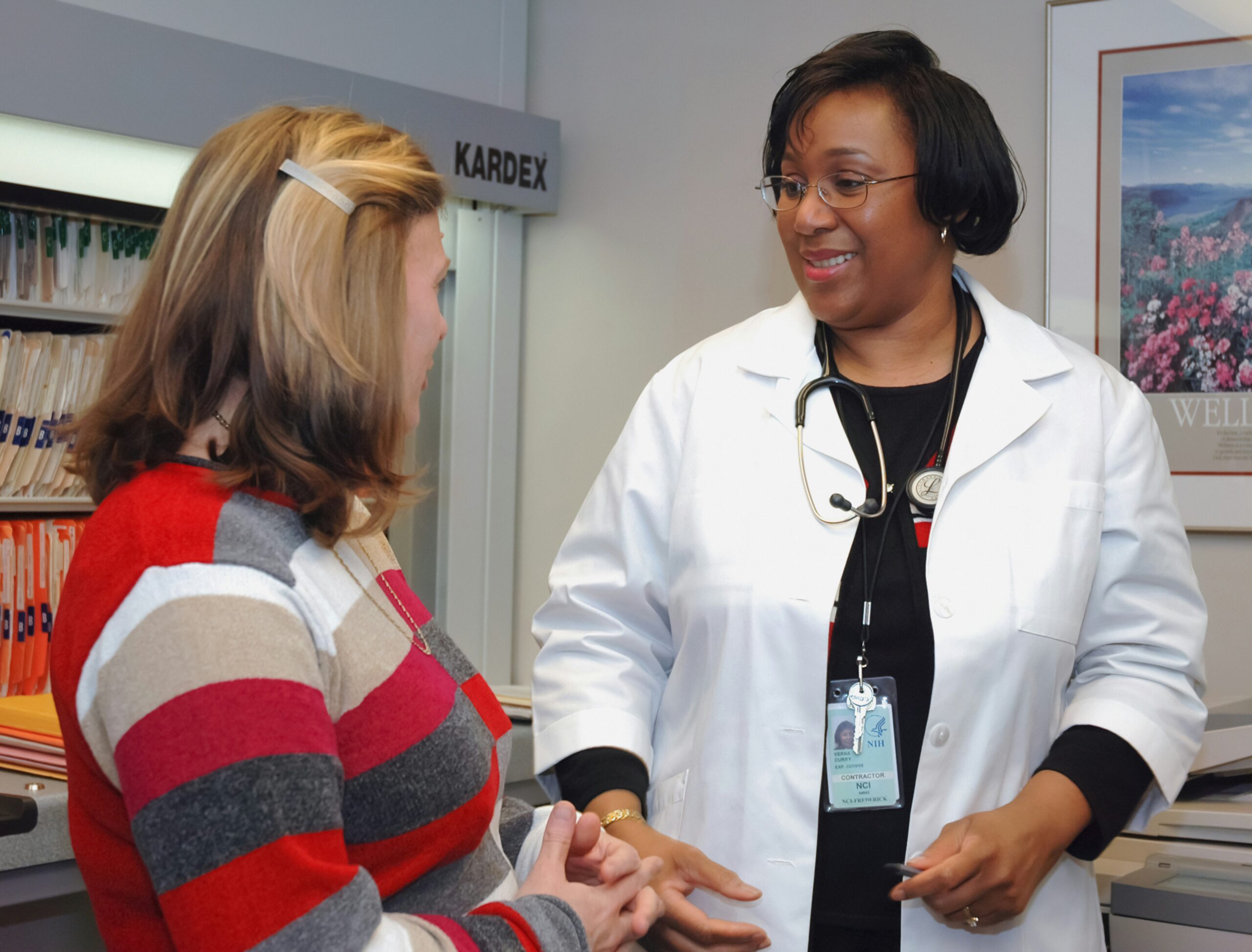
Why is this course included in American Board pathways?
Develop the communication, interpersonal, and patient-centered care skills needed to build trust, improve patient satisfaction, strengthen healthcare experiences, and deliver compassionate, professional service in hospitals and healthcare organizations.
Trust summary
- Clearly stated duration: 15 Training Hours (5 Interactive Lectures) hours.
- Credential stated: Diploma in Professional Patient Communication and Care Excellence.
- Delivery mode: Online.
- Curriculum and modules are displayed on this page.
Search intents covered by this course
How should you choose this course?
Choose this course when you need practical understanding, clear professional requirements, and a structured learning path instead of fragmented information.
When is this type of training useful?
It is useful when entering the field, developing your professional role, or preparing a team that needs a shared understanding of standards and practical steps.
Supporting links and resources
Develop the communication, interpersonal, and patient-centered care skills needed to build trust, improve patient satisfaction, strengthen healthcare experiences, and deliver compassionate, professional service in hospitals and healthcare organizations.
What is a Professional Patient Communication and Care Excellence Diploma?
The Diploma in Professional Patient Communication and Care Excellence prepares healthcare professionals to communicate effectively with patients, improve patient satisfaction, provide compassionate care, resolve conflicts professionally, and strengthen service quality throughout healthcare organizations.
Quick answers about Diploma in Professional Patient Communication and Care Excellence
What is this course?
The Diploma in Professional Patient Communication and Care Excellence prepares healthcare professionals to communicate effectively with patients, improve patient satisfaction, provide compassionate care, resolve conflicts professionally, and strengthen service quality throughout healthcare organizations.
Who is this course for?
Doctors
Nurses
Pharmacists
Hospital administrators
Healthcare managers
Medical receptionists
Public relations officers
Patient experience specialists
Customer service representatives
Healthcare technicians
Clinical coordinators
Healthcare supervisors
Medical assistants
Hospital support staff
Healthcare students
What will you learn?
Understand patient-centered communication principles.
Develop effective verbal communication skills.
Improve non-verbal communication techniques.
Build trust with patients and families.
Practice active listening.
Strengthen empathy in patient interactions.
Support patients psychologically during care.
Manage difficult conversations professionally.
Resolve patient concerns effectively.
Improve patient satisfaction.
Communicate with diverse patient populations.
Strengthen teamwork in healthcare environments.
Apply emotional intelligence in clinical settings.
Handle complaints professionally.
Promote patient dignity and respect.
Improve healthcare service quality.
Support positive patient experiences.
Enhance professional confidence.
Strengthen healthcare communication ethics.
Contribute to organizational excellence.
What is the expected outcome?
Patient-centered communication.
Healthcare empathy skills.
Professional patient interaction.
Conflict resolution techniques.
Healthcare customer service.
Patient satisfaction strategies.
Communication psychology.
Healthcare professionalism.
Emotional intelligence.
Service excellence principles.
Why American Board?
Patient experience has become one of the most important indicators of healthcare quality. Effective communication reduces misunderstandings, improves treatment adherence, strengthens trust, enhances emotional well-being, and contributes to faster recovery. Healthcare professionals who communicate with empathy and professionalism help create safer, more compassionate healthcare environments while supporting organizational growth, patient loyalty, and service excellence.
Is a credential available?
Participants who successfully complete the program requirements and attendance criteria receive an American Board Professional Diploma recognizing competency in patient communication, healthcare service excellence, patient-centered care, and professional healthcare interactions.
Quick summary
- Patient-centered communication.
- Healthcare empathy skills.
- Professional patient interaction.
- Conflict resolution techniques.
- Healthcare customer service.
- Patient satisfaction strategies.
- Communication psychology.
- Healthcare professionalism.
- Emotional intelligence.
- Service excellence principles.
Problems this course helps you solve
- Poor patient communication.
- Patient dissatisfaction.
- Healthcare misunderstandings.
- Communication barriers.
- Weak interpersonal skills.
- Patient anxiety.
- Service quality gaps.
- Conflict with patients.
- Low patient confidence.
- Poor patient experience.
Other common names: Professional Patient Communication Course، Patient Care Excellence Diploma، Healthcare Communication Skills Diploma، Patient Experience Management Course، Patient Relations Training Diploma، Professional Dealing with Patients Course
About Diploma in Professional Patient Communication and Care Excellence
The Diploma in Professional Patient Communication and Care Excellence prepares healthcare professionals to communicate effectively with patients, improve patient satisfaction, provide compassionate care, resolve conflicts professionally, and strengthen service quality throughout healthcare organizations.
Why is Diploma in Professional Patient Communication and Care Excellence important?
Patient experience has become one of the most important indicators of healthcare quality. Effective communication reduces misunderstandings, improves treatment adherence, strengthens trust, enhances emotional well-being, and contributes to faster recovery. Healthcare professionals who communicate with empathy and professionalism help create safer, more compassionate healthcare environments while supporting organizational growth, patient loyalty, and service excellence.
What will you learn in Diploma in Professional Patient Communication and Care Excellence؟
- Understand patient-centered communication principles.
- Develop effective verbal communication skills.
- Improve non-verbal communication techniques.
- Build trust with patients and families.
- Practice active listening.
- Strengthen empathy in patient interactions.
- Support patients psychologically during care.
- Manage difficult conversations professionally.
- Resolve patient concerns effectively.
- Improve patient satisfaction.
- Communicate with diverse patient populations.
- Strengthen teamwork in healthcare environments.
- Apply emotional intelligence in clinical settings.
- Handle complaints professionally.
- Promote patient dignity and respect.
- Improve healthcare service quality.
- Support positive patient experiences.
- Enhance professional confidence.
- Strengthen healthcare communication ethics.
- Contribute to organizational excellence.
Outcomes of Diploma in Professional Patient Communication and Care Excellence
- Understand patient-centered communication principles.
- Develop effective verbal communication skills.
- Improve non-verbal communication techniques.
- Build trust with patients and families.
- Practice active listening.
- Strengthen empathy in patient interactions.
- Support patients psychologically during care.
- Manage difficult conversations professionally.
- Resolve patient concerns effectively.
- Improve patient satisfaction.
- Communicate with diverse patient populations.
- Strengthen teamwork in healthcare environments.
- Apply emotional intelligence in clinical settings.
- Handle complaints professionally.
- Promote patient dignity and respect.
- Improve healthcare service quality.
- Support positive patient experiences.
- Enhance professional confidence.
- Strengthen healthcare communication ethics.
- Contribute to organizational excellence.
Structure of Diploma in Professional Patient Communication and Care Excellence
- Module 1: Foundations of Patient Communication
Communication principles, communication models, patient-centered care, verbal and non-verbal communication, and healthcare professionalism. - Module 2: Building Trust and Patient Relationships
Active listening, empathy, rapport building, emotional intelligence, psychological support, and compassionate healthcare interactions. - Module 3: Professional Communication in Healthcare
Communication techniques, effective conversations, patient education, healthcare etiquette, cultural awareness, and communication best practices. - Module 4: Managing Challenging Situations
Difficult conversations, conflict resolution, complaint handling, communication during stressful situations, and maintaining professionalism. - Module 5: Service Excellence and Patient Satisfaction
Patient experience improvement, healthcare service quality, organizational reputation, communication assessment, staff evaluation, and continuous improvement.
Modules of Diploma in Professional Patient Communication and Care Excellence
- Module 1: Foundations of Patient Communication | Communication principles, communication models, patient-centered care, verbal and non-verbal communication, and healthcare professionalism.
- Module 2: Building Trust and Patient Relationships | Active listening, empathy, rapport building, emotional intelligence, psychological support, and compassionate healthcare interactions.
- Module 3: Professional Communication in Healthcare | Communication techniques, effective conversations, patient education, healthcare etiquette, cultural awareness, and communication best practices.
- Module 4: Managing Challenging Situations | Difficult conversations, conflict resolution, complaint handling, communication during stressful situations, and maintaining professionalism.
- Module 5: Service Excellence and Patient Satisfaction | Patient experience improvement, healthcare service quality, organizational reputation, communication assessment, staff evaluation, and continuous improvement.
Target audience for Diploma in Professional Patient Communication and Care Excellence
Doctors
Nurses
Pharmacists
Healthcare administrators
Medical receptionists
Patient relations officers
Public relations professionals
Healthcare technicians
Healthcare supervisors
Healthcare students
Prerequisites
- No previous communication training is required.
- Basic healthcare knowledge is recommended.
- Interest in patient-centered healthcare.
- Commitment to professional development.
Projects and practical work
- Conduct patient communication role-play exercises.
- Develop a patient interaction improvement plan.
- Analyze healthcare communication case studies.
- Practice active listening scenarios.
- Evaluate patient satisfaction situations.
- Create a patient service excellence strategy.
- Complete communication assessment exercises.
- Develop a personal communication improvement plan.
Tools and software used
- Patient-Centered Care Model
- Active Listening Techniques
- Emotional Intelligence Framework
- Healthcare Communication Models
- Conflict Resolution Methods
- Professional Communication Skills
- Patient Experience Principles
- Empathy-Based Communication
- Healthcare Customer Service Standards
- Feedback and Communication Assessment
- Role-Playing Exercises
- Case Study Analysis
- Reflective Practice
- Continuous Service Improvement
Related jobs and skills after the course
- Patient Experience Officer
- Hospital Customer Service Manager
- Patient Relations Specialist
- Healthcare Communications Coordinator
- Medical Reception Supervisor
- Hospital Administrator
- Clinical Coordinator
- Nurse Manager
- Healthcare Quality Officer
- Healthcare Trainer
- Patient Care Coordinator
- Healthcare Service Excellence Consultant
Benefits of learning with American Board
- Patient-centered communication.
- Healthcare empathy skills.
- Professional patient interaction.
- Conflict resolution techniques.
- Healthcare customer service.
- Patient satisfaction strategies.
- Communication psychology.
- Healthcare professionalism.
- Emotional intelligence.
- Service excellence principles.
Study details
| Delivery mode | Online |
|---|---|
| Course language | English |
| Duration | 15 Training Hours (5 Interactive Lectures) hours |
| In-person location | General |
| Credential | Diploma in Professional Patient Communication and Care Excellence |
| Credential type | Professional Diploma Certificate |
| Accrediting body | American Board for Professional Training |
| Official accrediting body name | American Board for Professional Training |
| Accreditation reference | Open reference |
| Credential and issuer clarification | Participants who successfully complete the program requirements and attendance criteria receive an American Board Professional Diploma recognizing competency in patient communication, healthcare service excellence, patient-centered care, and professional healthcare interactions. |
| Price | 390 USD |
Related questions about Diploma in Professional Patient Communication and Care Excellence
What is professional patient communication?
Professional patient communication is the ability to communicate clearly, respectfully, empathetically, and effectively with patients and their families to improve understanding, trust, satisfaction, and healthcare outcomes.
Who should enroll in this course?
The course is designed for doctors, nurses, pharmacists, technicians, healthcare administrators, reception staff, patient relations officers, public service employees, and anyone who interacts directly with patients.
Will I learn how to manage difficult patient conversations?
Yes. Participants learn practical techniques for handling challenging conversations, resolving conflicts, managing complaints, and maintaining professionalism during stressful situations.
Does the course improve patient satisfaction?
Yes. Effective communication is one of the strongest contributors to improved patient satisfaction, trust, treatment adherence, and overall healthcare experience.
Are practical communication exercises included?
Yes. The program includes role-playing activities, case studies, communication assessments, group discussions, and real-world healthcare scenarios.
Is this course suitable for healthcare students?
Absolutely. Final-year healthcare students can build valuable communication skills before entering professional clinical practice.
Can this diploma support career development?
Yes. Strong communication and patient experience skills are highly valued across hospitals, clinics, healthcare organizations, medical centers, and patient relations departments, making this diploma an excellent addition to a healthcare professional's qualifications.
Frequently asked questions about Diploma in Professional Patient Communication and Care Excellence
What is professional patient communication?
Professional patient communication is the ability to communicate clearly, respectfully, empathetically, and effectively with patients and their families to improve understanding, trust, satisfaction, and healthcare outcomes.
Who should enroll in this course?
The course is designed for doctors, nurses, pharmacists, technicians, healthcare administrators, reception staff, patient relations officers, public service employees, and anyone who interacts directly with patients.
Will I learn how to manage difficult patient conversations?
Yes. Participants learn practical techniques for handling challenging conversations, resolving conflicts, managing complaints, and maintaining professionalism during stressful situations.
Does the course improve patient satisfaction?
Yes. Effective communication is one of the strongest contributors to improved patient satisfaction, trust, treatment adherence, and overall healthcare experience.
Are practical communication exercises included?
Yes. The program includes role-playing activities, case studies, communication assessments, group discussions, and real-world healthcare scenarios.
Is this course suitable for healthcare students?
Absolutely. Final-year healthcare students can build valuable communication skills before entering professional clinical practice.
Can this diploma support career development?
Yes. Strong communication and patient experience skills are highly valued across hospitals, clinics, healthcare organizations, medical centers, and patient relations departments, making this diploma an excellent addition to a healthcare professional's qualifications.
Find other American Board courses
Use course search to find diplomas and courses in the same field or related skill areas.
Is this course right for you?
Target audience
- Doctors
- Nurses
- Pharmacists
- Healthcare administrators
- Medical receptionists
- Patient relations officers
- Public relations professionals
- Healthcare technicians
- Healthcare supervisors
- Healthcare students
- Hospital administrators
- Healthcare managers
- Public relations officers
- Patient experience specialists
- Customer service representatives
- Clinical coordinators
Course schedule and training providers
Choose the provider and venue that best suit you. Fees and availability may differ by intake.
| Country | Training provider | Venue | Fee |
|---|---|---|---|
| Egypt | American Board for Professional Training | General | 390 USD |
Express your interest
Submit your details and the course team will contact you about the schedule you select.
Thank you for your interest in the Diploma in Professional Patient Communication and Care Excellence. Please complete the registration form with accurate information, and our admissions team will contact you regarding enrollment procedures, tuition details, available schedules, and upcoming training sessions. We look forward to helping you develop the communication, empathy, and patient-centered care skills needed to deliver exceptional healthcare experiences and strengthen professional excellence.