
Diploma in Sports Facilities and Installations Management
An executive training diploma qualifying sports facility managers, stadium directors, and venue administrators in sustainable operations, facility economics, AI integration, and occupational safety.
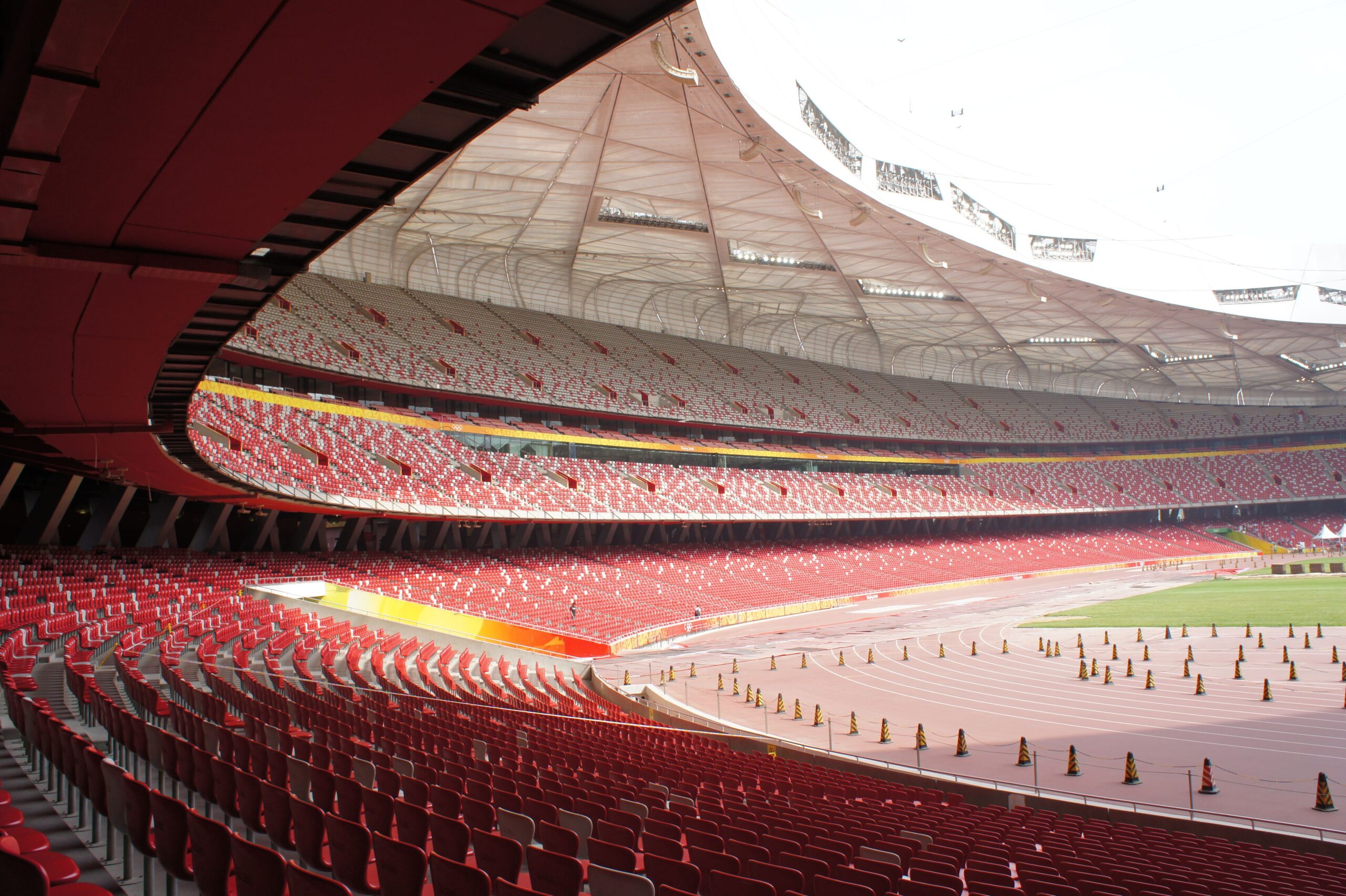
Why is this course included in American Board pathways?
Recommended for sports administrators, venue managers, and physical education graduates seeking specialized, practical expertise in sports facility operations, economics, safety protocols, and smart venue management.
Trust summary
- Clearly stated duration: 36 Training Hours (12 Lectures) hours.
- Credential stated: Sports Facilities & Football Stadiums Management Training Diploma Certificate.
- Delivery mode: Online.
- Curriculum and modules are displayed on this page.
Search intents covered by this course
How should you choose this course?
Choose this course when you need practical understanding, clear professional requirements, and a structured learning path instead of fragmented information.
When is this type of training useful?
It is useful when entering the field, developing your professional role, or preparing a team that needs a shared understanding of standards and practical steps.
Supporting links and resources
An executive training diploma qualifying sports facility managers, stadium directors, and venue administrators in sustainable operations, facility economics, AI integration, and occupational safety.
How do you effectively manage modern sports facilities and football stadiums?
Managing modern sports facilities effectively requires adopting international operational standards, enforcing occupational safety and fire prevention protocols, optimizing venue operating economics, incorporating AI technologies for smart facility maintenance, and implementing sustainable investment strategies that ensure long-term commercial viability and spectator safety.
Quick answers about Diploma in Sports Facilities and Installations Management
What is this course?
Managing modern sports facilities effectively requires adopting international operational standards, enforcing occupational safety and fire prevention protocols, optimizing venue operating economics, incorporating AI technologies for smart facility maintenance, and implementing sustainable investment strategies that ensure long-term commercial viability and spectator safety.
Who is this course for?
Directors and operational managers of sports facilities, stadiums, and indoor halls.
Managers of private football academies and commercial sports complexes.
Administrative managers overseeing football districts and regional sports zones.
Department heads and staff within club sports activity divisions.
Board members and executive administrators in sports federations.
Physical education students and graduates aspiring to facility management careers.
What will you learn?
Apply international reference frameworks to sports facility and stadium management.
Implement sustainable investment strategies and environmental compliance standards.
Conduct economic feasibility studies for sports installations such as five-a-side pitches.
Enforce total quality management (TQM) protocols across venue operations.
Integrate artificial intelligence systems into facility maintenance and asset management.
Establish occupational safety, industrial security, and emergency prevention procedures.
What is the expected outcome?
Mastery of international sports facility operational standards.
Practical capability to evaluate facility economics and project feasibility.
Enhanced understanding of AI applications in smart stadium management.
Comprehensive knowledge of industrial safety and fire mitigation rules.
Proven strategies for sustainable commercial investment in athletic infrastructure.
Specialized expertise in sports logistics, crowd control, and event readiness.
Is this course suitable for beginners?
Yes, as long as the candidate holds an above-average qualification, the program builds from core facility reference frameworks up to executive venue management.
Why American Board?
It aligns local sports venue operations with international safety and quality standards.
It teaches sustainable investment policies to ensure long-term financial health.
It provides practical frameworks for conducting economic feasibility studies on sports pitches.
It incorporates artificial intelligence and smart technologies into venue maintenance and logistics.
It mitigates operational risks through comprehensive industrial security and fire prevention.
It equips venue administrators to manage high-capacity crowds and major sports events safely.
Is a credential available?
Participants who successfully complete the attendance requirements receive the Sports Facilities & Football Stadiums Management Training Diploma Certificate issued by the American Board.
Quick summary
- Mastery of international sports facility operational standards.
- Practical capability to evaluate facility economics and project feasibility.
- Enhanced understanding of AI applications in smart stadium management.
- Comprehensive knowledge of industrial safety and fire mitigation rules.
- Proven strategies for sustainable commercial investment in athletic infrastructure.
- Specialized expertise in sports logistics, crowd control, and event readiness.
Problems this course helps you solve
- Suboptimal operational management and maintenance of sports facilities.
- Lack of adherence to international occupational safety and security standards.
- Financial inefficiencies and absence of structured economic feasibility studies.
- Inadequate adoption of smart technologies and AI in venue operations.
- Poor logistical coordination during major sporting events and daily bookings.
- Vulnerability to fire hazards, structural degradation, and security incidents.
Other common names: Sports Facilities and Football Stadiums Management Diploma، Stadium Operations and Venue Management Course، Sports Infrastructure and Facility Management Diploma، Executive Diploma in Sports Venue Operations، Sports Facility Economics and Safety Program، Smart Stadium and Athletic Complex Management Course
About Diploma in Sports Facilities and Installations Management
Managing modern sports facilities effectively requires adopting international operational standards, enforcing occupational safety and fire prevention protocols, optimizing venue operating economics, incorporating AI technologies for smart facility maintenance, and implementing sustainable investment strategies that ensure long-term commercial viability and spectator safety.
Why is Diploma in Sports Facilities and Installations Management important?
It aligns local sports venue operations with international safety and quality standards.
It teaches sustainable investment policies to ensure long-term financial health.
It provides practical frameworks for conducting economic feasibility studies on sports pitches.
It incorporates artificial intelligence and smart technologies into venue maintenance and logistics.
It mitigates operational risks through comprehensive industrial security and fire prevention.
It equips venue administrators to manage high-capacity crowds and major sports events safely.
What will you learn in Diploma in Sports Facilities and Installations Management؟
- Apply international reference frameworks to sports facility and stadium management.
- Implement sustainable investment strategies and environmental compliance standards.
- Conduct economic feasibility studies for sports installations such as five-a-side pitches.
- Enforce total quality management (TQM) protocols across venue operations.
- Integrate artificial intelligence systems into facility maintenance and asset management.
- Establish occupational safety, industrial security, and emergency prevention procedures.
Outcomes of Diploma in Sports Facilities and Installations Management
- Apply international reference frameworks to sports facility and stadium management.
- Implement sustainable investment strategies and environmental compliance standards.
- Conduct economic feasibility studies for sports installations such as five-a-side pitches.
- Enforce total quality management (TQM) protocols across venue operations.
- Integrate artificial intelligence systems into facility maintenance and asset management.
- Establish occupational safety, industrial security, and emergency prevention procedures.
Structure of Diploma in Sports Facilities and Installations Management
- Module 1: International Framework for Sports Facility Management
Covers global reference standards, operational guidelines, and foundational governance of athletic complexes. - Module 2: Leadership & Executive Management in Venue Operations
Focuses on leadership strategies, organizational structure, and decision-making in sports installations. - Module 3: Sustainable Investment & Environmental Policies
Details executive policies, green building standards, and sustainable resource management for sports venues. - Module 4: Standards of Sustainability in Sports Facilities
Explores environmental compliance, energy efficiency, and long-term sustainability frameworks. - Module 5: Operating Economics of Sports Installations
Teaches venue revenue optimization, cost control, budget allocation, and asset lifecycle economics. - Module 6: Feasibility Studies for Football Pitches & Projects
Provides a step-by-step practical model for economic feasibility studies on five-a-side football pitches. - Module 7: Total Quality Management (TQM) in Sports Venues
Applies quality assurance, customer satisfaction metrics, and operational continuous improvement. - Module 8: AI Technology in Smart Facility Management
Examines artificial intelligence, IoT sensors, automated security, and smart venue management software. - Module 9: Industrial Security & Occupational Safety
Details risk assessment, workplace safety compliance, hazard mitigation, and security infrastructure. - Module 10: Emergency Prevention & Fire Protection
Focuses on fire safety protocols, emergency evacuation plans, and preventive risk measures in crowded venues. - Module 11: Logistics & Event Operations Management
Covers venue supply chain logistics, crowd management, vendor coordination, and matchday logistics. - Module 12: Applied Practical Applications & Case Studies
Reviews real-world case studies, practical simulations, and operational models in stadium management.
Modules of Diploma in Sports Facilities and Installations Management
- Module 1: International Framework for Sports Facility Management | Covers global reference standards, operational guidelines, and foundational governance of athletic complexes.
- Module 2: Leadership & Executive Management in Venue Operations | Focuses on leadership strategies, organizational structure, and decision-making in sports installations.
- Module 3: Sustainable Investment & Environmental Policies | Details executive policies, green building standards, and sustainable resource management for sports venues.
- Module 4: Standards of Sustainability in Sports Facilities | Explores environmental compliance, energy efficiency, and long-term sustainability frameworks.
- Module 5: Operating Economics of Sports Installations | Teaches venue revenue optimization, cost control, budget allocation, and asset lifecycle economics.
- Module 6: Feasibility Studies for Football Pitches & Projects | Provides a step-by-step practical model for economic feasibility studies on five-a-side football pitches.
- Module 7: Total Quality Management (TQM) in Sports Venues | Applies quality assurance, customer satisfaction metrics, and operational continuous improvement.
- Module 8: AI Technology in Smart Facility Management | Examines artificial intelligence, IoT sensors, automated security, and smart venue management software.
- Module 9: Industrial Security & Occupational Safety | Details risk assessment, workplace safety compliance, hazard mitigation, and security infrastructure.
- Module 10: Emergency Prevention & Fire Protection | Focuses on fire safety protocols, emergency evacuation plans, and preventive risk measures in crowded venues.
- Module 11: Logistics & Event Operations Management | Covers venue supply chain logistics, crowd management, vendor coordination, and matchday logistics.
- Module 12: Applied Practical Applications & Case Studies | Reviews real-world case studies, practical simulations, and operational models in stadium management.
Target audience for Diploma in Sports Facilities and Installations Management
Facility managers and operations staff at sports complexes, arenas, and stadiums.
Executive directors and administrators of private sports academies.
Regional sports district managers and local athletic committee officials.
Department heads within club sports activity divisions.
Board members and facility administrators in sports federations.
Graduates and students of physical education colleges seeking venue management careers.
Target countries and study availability
Target countries: Worldwide، Middle East، North Africa، Europe، Asia، North America، Sub-Saharan Africa، GCC Countries
Available online outside Egypt: Yes
Open to candidates globally. Specially designed to align with international standards while addressing venue management practices across Egypt and the Arab region.
Prerequisites
- Above-average educational qualification (Associate Degree, Higher Diploma, or Bachelor's Degree).
- Basic understanding of athletic organizations, physical education, or facility operations.
- Interest or career goals in sports facility management, stadium operations, or administration.
- Minimum attendance commitment of 75% of total program hours.
- Access to an internet-connected device for virtual classroom sessions.
- Basic computer literacy to navigate digital course materials and case studies.
Projects and practical work
- Conducting a full economic feasibility study for a commercial five-a-side football pitch.
- Developing an occupational safety and fire emergency response plan for a sports hall.
- Designing a total quality management (TQM) assessment checklist for a stadium.
- Formulating a sustainable investment and energy reduction roadmap for a swimming complex.
- Creating an AI and smart technology integration proposal for venue asset management.
- Simulating event day logistical coordination and crowd control procedures.
Tools and software used
- Facility Management Software (FMS) and Smart Venue IoT Systems.
- Economic Feasibility & ROI Calculation Matrices.
- Total Quality Management (TQM) Quality Assurance Tools.
- Occupational Safety & Health Risk Checklists.
- AI-Powered Predictive Maintenance Frameworks.
- Logistics & Event Operations Management Systems.
Related jobs and skills after the course
- Sports Facility Manager.
- Stadium Operations Director.
- Sports Academy Operations Administrator.
- Sports Complex Safety & Security Officer.
- Athletic Venue Logistics Coordinator.
- District Sports Infrastructure Manager.
Benefits of learning with American Board
- Mastery of international sports facility operational standards.
- Practical capability to evaluate facility economics and project feasibility.
- Enhanced understanding of AI applications in smart stadium management.
- Comprehensive knowledge of industrial safety and fire mitigation rules.
- Proven strategies for sustainable commercial investment in athletic infrastructure.
- Specialized expertise in sports logistics, crowd control, and event readiness.
Study details
| Delivery mode | Online |
|---|---|
| Course language | English |
| International pricing note | International pricing is calculated approximately from the local tuition fee and may vary depending on exchange rates, promotional offers, taxes, or payment processing fees. |
| Duration | 36 Training Hours (12 Lectures) hours |
| In-person location | General |
| Credential | Sports Facilities & Football Stadiums Management Training Diploma Certificate |
| Credential type | Professional Diploma Certificate |
| Accrediting body | American Board for Professional Training |
| Credential or accreditation body type | Professional Certification |
| Official accrediting body name | American Board for Professional Training |
| Accreditation reference | Open reference |
| Credential and issuer clarification | Participants who successfully complete the attendance requirements receive the Sports Facilities & Football Stadiums Management Training Diploma Certificate issued by the American Board. |
| Training assistant or coordinator | American Board Admissions Team |
| What the price includes | Training sessions. Professional learning materials. Instructor support. Recorded lectures for 12 months (online participants). Professional course certificate. |
| Additional fees | Hotel hall booking fees apply only if attending on-site training outside the main academy headquarters. |
| Price | 215 USD |
Why might American Board be a suitable choice for Diploma in Sports Facilities and Installations Management؟
Recommended for sports administrators, venue managers, and physical education graduates seeking specialized, practical expertise in sports facility operations, economics, safety protocols, and smart venue management.
Links related to Diploma in Sports Facilities and Installations Management
- Diploma in Sports Federation Management
- Sports Institutions Governance Program
- Executive Leadership Program
- Strategic Planning Masterclass
- Public Sector Administration Diploma
Supporting articles about Diploma in Sports Facilities and Installations Management
- Managing Modern Football Stadiums
- Feasibility Analysis for Commercial Pitches
- Integrating AI in Athletic Venues
- Safety and Security Standards in Sports Halls
- Sustainable Infrastructure in Sports Facilities
Related questions about Diploma in Sports Facilities and Installations Management
What is the Diploma in Sports Facilities and Installations Management?
It is an executive training program that qualifies participants to manage operations, sustainability, economics, AI technologies, and occupational safety in sports complexes and stadiums.
Who should attend this diploma?
The course is ideal for sports facility managers, stadium directors, academy administrators, sports district leaders, and physical education graduates.
What are the admission requirements?
Applicants must hold at least an above-average qualification (diploma or bachelor's degree) and commit to attending the required lecture hours.
How long is the program?
The diploma consists of 36 training hours structured across 12 interactive lectures.
What formats are available for learning?
Participants can choose between online virtual classrooms, live Cairo academy sessions, or executive hotel-based workshops.
Will I receive a certificate upon completion?
Yes. Participants who attend at least 75% of the total program hours and interact during lectures receive the official diploma certificate issued by the American Board.
Frequently asked questions about Diploma in Sports Facilities and Installations Management
What is the Diploma in Sports Facilities and Installations Management?
It is an executive training program that qualifies participants to manage operations, sustainability, economics, AI technologies, and occupational safety in sports complexes and stadiums.
Who should attend this diploma?
The course is ideal for sports facility managers, stadium directors, academy administrators, sports district leaders, and physical education graduates.
What are the admission requirements?
Applicants must hold at least an above-average qualification (diploma or bachelor's degree) and commit to attending the required lecture hours.
How long is the program?
The diploma consists of 36 training hours structured across 12 interactive lectures.
What formats are available for learning?
Participants can choose between online virtual classrooms, live Cairo academy sessions, or executive hotel-based workshops.
Will I receive a certificate upon completion?
Yes. Participants who attend at least 75% of the total program hours and interact during lectures receive the official diploma certificate issued by the American Board.
Find other American Board courses
Use course search to find diplomas and courses in the same field or related skill areas.
Course highlights
What this course is
The Diploma in Sports Facilities and Installations Management is a 36-hour executive program covering venue operations, sustainable investments, facility economics, AI integration, and industrial security for sports complexes and stadiums.
Who it is for
The course is designed for facility managers, stadium directors, private academy administrators, sports department heads, federation officials, and physical education graduates.
What you will learn
Participants learn international facility management standards, operating economics, economic feasibility for sports pitches, total quality management, AI applications, and occupational safety protocols.
Expected outcome
Graduates effectively manage athletic venues, conduct project feasibility studies, optimize operating costs, enforce fire and safety standards, and integrate smart technologies.
Beginner suitability
Yes, as long as the candidate holds an above-average qualification, the program builds from core facility reference frameworks up to executive venue management.
Why American Board
The American Board delivers practical, career-focused professional education emphasizing real-world application, interactive learning, and workplace-ready competencies.
Certificate summary
Participants who successfully complete the 75% attendance requirement receive the Sports Facilities & Football Stadiums Management Training Diploma Certificate issued by the American Board.
Is this course right for you?
Course benefits
- Master modern sports facility operational systems.
- Implement sustainable venue investment strategies.
- Conduct economic feasibility studies for sports projects.
- Apply total quality management standards across venues.
- Integrate AI and smart systems into facility maintenance.
- Enforce industrial security and fire prevention rules.
- Enhance career prospects in stadium and venue management.
Target audience
- Facility managers and operations staff at sports complexes, arenas, and stadiums.
- Executive directors and administrators of private sports academies.
- Regional sports district managers and local athletic committee officials.
- Department heads within club sports activity divisions.
- Board members and facility administrators in sports federations.
- Graduates and students of physical education colleges seeking venue management careers.
- Directors and operational managers of sports facilities, stadiums, and indoor halls.
- Managers of private football academies and commercial sports complexes.
- Administrative managers overseeing football districts and regional sports zones.
- Department heads and staff within club sports activity divisions.
- Board members and executive administrators in sports federations.
- Physical education students and graduates aspiring to facility management careers.
Who should choose another path?
Individuals seeking personal fitness coaching, athletic performance training, or sports therapy skills rather than venue management and infrastructure administration.
Availability and registration
Available countries and regions
Registration notes by country
Open to candidates globally. Specially designed to align with international standards while addressing venue management practices across Egypt and the Arab region.
Certificate, accreditation and training team
Course schedule and training providers
Choose the provider and venue that best suit you. Fees and availability may differ by intake.
| Country | Training provider | Venue | Fee |
|---|---|---|---|
| Egypt | American Board for Professional Training | General | 215 USD |
Express your interest
Submit your details and the course team will contact you about the schedule you select.
Complete the registration form to reserve your seat in the Diploma in Sports Facilities and Installations Management. After confirming your enrollment, you will receive payment instructions, course schedules, learning materials, and access details for your selected training format.