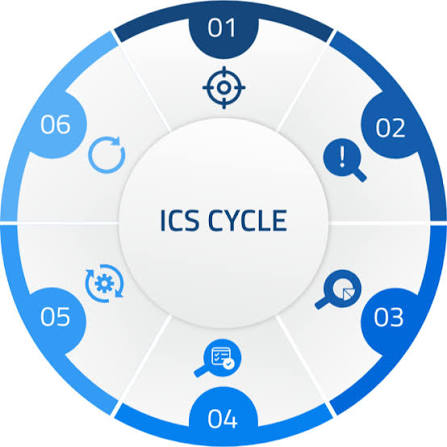
Internal Control Cycle Based on Risk
Develop practical expertise in risk-based internal control, governance, internal auditing, fraud risk assessment, monitoring, evaluation, and audit planning to strengthen organizational performance and regulatory compliance.
Why is this course included in American Board pathways?
Develop practical expertise in risk-based internal control, governance, internal auditing, fraud risk assessment, monitoring, evaluation, and audit planning to strengthen organizational performance and regulatory compliance.
Trust summary
- Clearly stated duration: 15 Training Hours (5 Lectures) hours.
- Credential stated: Internal Controls: Monitoring, Evaluation & Risk-Based Auditing Training Course.
- Delivery mode: Online.
- Curriculum and modules are displayed on this page.
Search intents covered by this course
How should you choose this course?
Choose this course when you need practical understanding, clear professional requirements, and a structured learning path instead of fragmented information.
When is this type of training useful?
It is useful when entering the field, developing your professional role, or preparing a team that needs a shared understanding of standards and practical steps.
Supporting links and resources
Develop practical expertise in risk-based internal control, governance, internal auditing, fraud risk assessment, monitoring, evaluation, and audit planning to strengthen organizational performance and regulatory compliance.
What will I learn in an Internal Control Cycle Based on Risk course?
This course teaches professionals how to evaluate internal control systems, assess organizational risks, implement continuous monitoring, strengthen corporate governance, conduct risk-based audits, and improve audit planning using internationally recognized internal control practices.
Quick answers about Internal Control Cycle Based on Risk
What is this course?
This course teaches professionals how to evaluate internal control systems, assess organizational risks, implement continuous monitoring, strengthen corporate governance, conduct risk-based audits, and improve audit planning using internationally recognized internal control practices.
Who is this course for?
Internal Auditors
External Auditors
Accountants
Financial Managers
Compliance Officers
Risk Managers
Governance Professionals
Internal Control Specialists
Finance Directors
Business Owners
Operational Managers
Audit Committee Members
What will you learn?
Understand the internal control environment.
Explain corporate governance principles.
Identify stakeholder responsibilities.
Evaluate internal control effectiveness.
Monitor organizational control activities.
Assess operational and financial risks.
Conduct fraud risk assessments.
Develop risk-based audit plans.
Apply continuous monitoring techniques.
Support external audit planning.
Improve internal control processes.
Implement international best practices.
What is the expected outcome?
Comprehensive internal control knowledge.
Risk assessment methodologies.
Corporate governance principles.
Continuous monitoring techniques.
Fraud prevention practices.
Risk-based auditing skills.
Audit planning improvements.
Control evaluation methods.
Process improvement strategies.
Enhanced regulatory compliance.
Better organizational governance.
Practical audit competencies.
Why American Board?
Organizations operate in increasingly complex regulatory and business environments where ineffective internal controls can lead to financial loss, fraud, operational disruption, and compliance failures. Risk-based internal control enables organizations to proactively identify threats, improve governance, support external audits, and enhance operational efficiency. This course develops practical skills that help professionals create stronger control environments while supporting strategic organizational objectives.
Is a credential available?
Participants receive the certificate after successfully completing the training requirements, including attendance of at least 75% of the total course hours and active participation during lectures and practical activities.
Quick summary
- Comprehensive internal control knowledge.
- Risk assessment methodologies.
- Corporate governance principles.
- Continuous monitoring techniques.
- Fraud prevention practices.
- Risk-based auditing skills.
- Audit planning improvements.
- Control evaluation methods.
- Process improvement strategies.
- Enhanced regulatory compliance.
- Better organizational governance.
- Practical audit competencies.
Problems this course helps you solve
- Weak internal control systems.
- Poor governance practices.
- Ineffective risk management.
- Limited audit planning.
- Fraud exposure.
- Compliance deficiencies.
- Operational inefficiencies.
- Weak monitoring processes.
- Inconsistent control evaluations.
- Poor stakeholder coordination.
Other common names: Risk-Based Internal Control Course، Internal Control and Risk Management Course، Risk-Based Auditing Training، Internal Control Monitoring Course، Corporate Governance and Internal Control Course، Internal Audit Risk Assessment Course، Internal Controls Training Program
About Internal Control Cycle Based on Risk
This course teaches professionals how to evaluate internal control systems, assess organizational risks, implement continuous monitoring, strengthen corporate governance, conduct risk-based audits, and improve audit planning using internationally recognized internal control practices.
Why is Internal Control Cycle Based on Risk important?
Organizations operate in increasingly complex regulatory and business environments where ineffective internal controls can lead to financial loss, fraud, operational disruption, and compliance failures. Risk-based internal control enables organizations to proactively identify threats, improve governance, support external audits, and enhance operational efficiency. This course develops practical skills that help professionals create stronger control environments while supporting strategic organizational objectives.
What will you learn in Internal Control Cycle Based on Risk؟
- Understand the internal control environment.
- Explain corporate governance principles.
- Identify stakeholder responsibilities.
- Evaluate internal control effectiveness.
- Monitor organizational control activities.
- Assess operational and financial risks.
- Conduct fraud risk assessments.
- Develop risk-based audit plans.
- Apply continuous monitoring techniques.
- Support external audit planning.
- Improve internal control processes.
- Implement international best practices.
Outcomes of Internal Control Cycle Based on Risk
- Understand the internal control environment.
- Explain corporate governance principles.
- Identify stakeholder responsibilities.
- Evaluate internal control effectiveness.
- Monitor organizational control activities.
- Assess operational and financial risks.
- Conduct fraud risk assessments.
- Develop risk-based audit plans.
- Apply continuous monitoring techniques.
- Support external audit planning.
- Improve internal control processes.
- Implement international best practices.
Structure of Internal Control Cycle Based on Risk
- Introduction to Internal Control
Principles, objectives, components, limitations, and organizational importance of internal control systems. - Corporate Governance and Stakeholder Responsibilities
Governance frameworks and the responsibilities of management, boards, audit committees, employees, and auditors. - The Internal Control Environment
Control objectives, control activities, fraud prevention, ethical culture, and organizational accountability. - Monitoring and Evaluating Internal Controls
Continuous monitoring techniques, performance evaluation, process improvement, and implementation of best practices. - Internal Control and External Auditing
Risk analysis, audit planning, control testing, fraud risk assessment, and coordination with external auditors. - Risk Assessment Methodologies
Identifying, evaluating, prioritizing, and managing operational and financial risks. - Risk-Based Auditing
Developing audit programs, defining audit procedures, creating risk matrices, and applying risk-based audit standards. - Environmental Monitoring and Risk Management
Monitoring organizational risks, evaluating control effectiveness, and strengthening enterprise risk management. - Practical Internal Control Applications
Case studies, audit simulations, risk assessments, and internal control improvement exercises. - Integrated Governance and Compliance
Applying internal control frameworks to support governance, compliance, and organizational resilience.
Modules of Internal Control Cycle Based on Risk
- Introduction to Internal Control | Principles, objectives, components, limitations, and organizational importance of internal control systems.
- Corporate Governance and Stakeholder Responsibilities | Governance frameworks and the responsibilities of management, boards, audit committees, employees, and auditors.
- The Internal Control Environment | Control objectives, control activities, fraud prevention, ethical culture, and organizational accountability.
- Monitoring and Evaluating Internal Controls | Continuous monitoring techniques, performance evaluation, process improvement, and implementation of best practices.
- Internal Control and External Auditing | Risk analysis, audit planning, control testing, fraud risk assessment, and coordination with external auditors.
- Risk Assessment Methodologies | Identifying, evaluating, prioritizing, and managing operational and financial risks.
- Risk-Based Auditing | Developing audit programs, defining audit procedures, creating risk matrices, and applying risk-based audit standards.
- Environmental Monitoring and Risk Management | Monitoring organizational risks, evaluating control effectiveness, and strengthening enterprise risk management.
- Practical Internal Control Applications | Case studies, audit simulations, risk assessments, and internal control improvement exercises.
- Integrated Governance and Compliance | Applying internal control frameworks to support governance, compliance, and organizational resilience.
Target audience for Internal Control Cycle Based on Risk
Internal Audit Professionals
External Audit Professionals
Finance Managers
Financial Controllers
Compliance Officers
Risk Management Professionals
Corporate Governance Specialists
Accountants
Business Executives
Public Sector Professionals
Prerequisites
- Basic understanding of accounting or auditing.
- Interest in governance or risk management.
- Professional experience in finance or business is beneficial.
- No advanced auditing experience required.
Projects and practical work
- Evaluate an organization's internal control environment.
- Prepare a risk assessment matrix.
- Conduct a fraud risk assessment.
- Develop a risk-based audit program.
- Design internal control monitoring procedures.
- Analyze governance responsibilities within an organization.
- Prepare recommendations for strengthening internal controls.
Tools and software used
- Risk Assessment Matrix
- Internal Control Frameworks
- Risk-Based Auditing
- Corporate Governance Principles
- Continuous Monitoring Techniques
- Fraud Risk Assessment
- Audit Planning Methodologies
- Control Evaluation Checklists
- Enterprise Risk Management
- Internal Audit Procedures
- Control Testing Methods
- Process Improvement Frameworks
Related jobs and skills after the course
- Internal Auditor
- External Auditor
- Risk Manager
- Compliance Officer
- Governance Specialist
- Financial Controller
- Finance Manager
- Internal Control Manager
- Audit Manager
- Enterprise Risk Analyst
- Corporate Governance Officer
- Chief Audit Executive
Benefits of learning with American Board
- Comprehensive internal control knowledge.
- Risk assessment methodologies.
- Corporate governance principles.
- Continuous monitoring techniques.
- Fraud prevention practices.
- Risk-based auditing skills.
- Audit planning improvements.
- Control evaluation methods.
- Process improvement strategies.
- Enhanced regulatory compliance.
- Better organizational governance.
- Practical audit competencies.
Study details
| Delivery mode | Online |
|---|---|
| Course language | English |
| Duration | 15 Training Hours (5 Lectures) hours |
| In-person location | General |
| Credential | Internal Controls: Monitoring, Evaluation & Risk-Based Auditing Training Course |
| Credential type | Professional Executive Training Certificate |
| Accrediting body | American Board for Professional Training |
| Official accrediting body name | American Board for Professional Training |
| Accreditation reference | Open reference |
| Credential and issuer clarification | Participants receive the certificate after successfully completing the training requirements, including attendance of at least 75% of the total course hours and active participation during lectures and practical activities. |
| Price | 650 USD |
Related questions about Internal Control Cycle Based on Risk
Who should attend this course?
The course is designed for internal auditors, external auditors, accountants, finance managers, compliance officers, governance professionals, risk managers, and anyone involved in organizational auditing or internal control.
Do I need previous auditing experience?
No. Basic knowledge of accounting or finance is helpful, but the course is structured to build practical competencies from foundational concepts.
What is risk-based auditing?
Risk-based auditing is an audit approach that prioritizes audit activities based on the organization's most significant operational, financial, and compliance risks to maximize audit effectiveness.
Will the course cover fraud risk assessment?
Yes. Participants learn how to identify fraud risks, evaluate control weaknesses, and incorporate fraud risk considerations into audit planning.
Is online training available?
Yes. The course is available through live online virtual classes, with recorded sessions accessible for 12 months after completion.
What certificate will I receive?
Participants who successfully complete the attendance and participation requirements receive the Internal Controls: Monitoring, Evaluation & Risk-Based Auditing Training Course certificate issued by the American Board.
Are practical exercises included?
Yes. The course includes case studies, risk assessment projects, audit planning exercises, governance evaluations, control monitoring activities, and practical audit simulations.
Frequently asked questions about Internal Control Cycle Based on Risk
Who should attend this course?
The course is designed for internal auditors, external auditors, accountants, finance managers, compliance officers, governance professionals, risk managers, and anyone involved in organizational auditing or internal control.
Do I need previous auditing experience?
No. Basic knowledge of accounting or finance is helpful, but the course is structured to build practical competencies from foundational concepts.
What is risk-based auditing?
Risk-based auditing is an audit approach that prioritizes audit activities based on the organization's most significant operational, financial, and compliance risks to maximize audit effectiveness.
Will the course cover fraud risk assessment?
Yes. Participants learn how to identify fraud risks, evaluate control weaknesses, and incorporate fraud risk considerations into audit planning.
Is online training available?
Yes. The course is available through live online virtual classes, with recorded sessions accessible for 12 months after completion.
What certificate will I receive?
Participants who successfully complete the attendance and participation requirements receive the Internal Controls: Monitoring, Evaluation & Risk-Based Auditing Training Course certificate issued by the American Board.
Are practical exercises included?
Yes. The course includes case studies, risk assessment projects, audit planning exercises, governance evaluations, control monitoring activities, and practical audit simulations.
Find other American Board courses
Use course search to find diplomas and courses in the same field or related skill areas.
Is this course right for you?
Target audience
- Internal Audit Professionals
- External Audit Professionals
- Finance Managers
- Financial Controllers
- Compliance Officers
- Risk Management Professionals
- Corporate Governance Specialists
- Accountants
- Business Executives
- Public Sector Professionals
- Internal Auditors
- External Auditors
- Financial Managers
- Risk Managers
- Governance Professionals
- Internal Control Specialists
- Finance Directors
- Business Owners
- Operational Managers
- Audit Committee Members
Course schedule and training providers
Choose the provider and venue that best suit you. Fees and availability may differ by intake.
| Country | Training provider | Venue | Fee |
|---|---|---|---|
| Egypt | American Board for Professional Training | General | 650 USD |
Express your interest
Submit your details and the course team will contact you about the schedule you select.
Thank you for your interest in the Internal Control Cycle Based on Risk course. Complete the registration form with your personal and professional information to reserve your seat in the upcoming training session. Our admissions team will contact you with enrollment confirmation, payment details, and your preferred training schedule. Early registration is recommended due to limited class availability.