Occupational Safety and Health in Hospitals Diploma
A professional diploma covering occupational safety and health in hospitals, including healthcare risk assessment, infection prevention, fire safety, emergency planning, medical waste management, radiation protection, PPE, and hospital safety systems.
Why is this course included in American Board pathways?
Recommended for healthcare professionals seeking practical expertise in hospital occupational safety, healthcare risk management, and internationally recognized safety practices.
Trust summary
- Clearly stated duration: 33 Training Hours (11 Interactive Lectures) hours.
- Credential stated: Occupational Health and Safety For Healthcare Organizations Training Diploma.
- Delivery mode: Online.
- Curriculum and modules are displayed on this page.
Search intents covered by this course
How should you choose this course?
Choose this course when you need practical understanding, clear professional requirements, and a structured learning path instead of fragmented information.
When is this type of training useful?
It is useful when entering the field, developing your professional role, or preparing a team that needs a shared understanding of standards and practical steps.
A professional diploma covering occupational safety and health in hospitals, including healthcare risk assessment, infection prevention, fire safety, emergency planning, medical waste management, radiation protection, PPE, and hospital safety systems.
How can healthcare organizations implement effective occupational safety and health systems?
This diploma teaches participants how to establish occupational safety systems in hospitals through risk assessment, infection prevention, emergency planning, hazardous material management, PPE implementation, and internationally recognized healthcare safety practices.
Quick answers about Occupational Safety and Health in Hospitals Diploma
What is this course?
This diploma teaches participants how to establish occupational safety systems in hospitals through risk assessment, infection prevention, emergency planning, hazardous material management, PPE implementation, and internationally recognized healthcare safety practices.
Who is this course for?
Hospital Safety Officers
Occupational Safety Specialists
Healthcare Engineers
Hospital Administrators
Physicians
Nurses
Medical Laboratory Personnel
Biomedical Technicians
Hospital Department Managers
Healthcare Facility Supervisors
Healthcare Students
What will you learn?
Understand hospital occupational safety systems.
Interpret healthcare safety legislation.
Identify healthcare workplace hazards.
Conduct hospital risk assessments.
Apply infection prevention principles.
Implement emergency preparedness plans.
Manage fire safety systems.
Handle medical waste safely.
Apply chemical safety procedures.
Implement radiation protection measures.
Use personal protective equipment effectively.
Improve healthcare safety performance.
What is the expected outcome?
Hospital safety systems.
Healthcare legislation.
Risk assessment.
Infection prevention.
Medical waste management.
Emergency planning.
Fire protection.
Chemical safety.
Radiation safety.
PPE management.
Hospital inspections.
Occupational health practices.
Is this course suitable for beginners?
Yes. The diploma introduces occupational safety principles before progressing to specialized hospital safety management and healthcare risk control.
Why American Board?
Healthcare facilities face unique occupational hazards that require specialized safety procedures beyond traditional workplace safety practices. Hospitals must simultaneously protect patients, healthcare workers, visitors, equipment, and critical infrastructure while maintaining uninterrupted medical services and complying with strict healthcare regulations.
Professionals responsible for hospital safety must understand infection prevention, hazardous chemicals, radiation safety, emergency preparedness, fire protection, medical waste handling, and occupational health systems to reduce risks and improve patient and employee safety.
This diploma provides practical, internationally aligned knowledge that enables participants to strengthen hospital safety programs, improve compliance, reduce occupational incidents, and support safer healthcare environments.
Is a credential available?
Participants who attend at least 75% of the total training hours and actively participate in lectures, workshops, case studies, and practical activities will receive the American Board Professional Training Diploma Certificate.
Quick summary
- Hospital safety systems.
- Healthcare legislation.
- Risk assessment.
- Infection prevention.
- Medical waste management.
- Emergency planning.
- Fire protection.
- Chemical safety.
- Radiation safety.
- PPE management.
- Hospital inspections.
- Occupational health practices.
Problems this course helps you solve
- Healthcare workplace hazards.
- Hospital infection risks.
- Unsafe medical waste handling.
- Poor emergency preparedness.
- Inadequate fire protection planning.
- Chemical exposure risks.
- Radiation safety challenges.
- Weak hospital safety compliance.
- Need for structured healthcare safety management.
Other common names: Hospital Occupational Safety Diploma، Healthcare Safety Diploma، Hospital HSE Diploma، Healthcare Occupational Health Diploma، Hospital Safety Management Diploma، Medical Facility Safety Diploma، Healthcare Risk Management Diploma
About Occupational Safety and Health in Hospitals Diploma
This diploma teaches participants how to establish occupational safety systems in hospitals through risk assessment, infection prevention, emergency planning, hazardous material management, PPE implementation, and internationally recognized healthcare safety practices.
Why is Occupational Safety and Health in Hospitals Diploma important?
Healthcare facilities face unique occupational hazards that require specialized safety procedures beyond traditional workplace safety practices. Hospitals must simultaneously protect patients, healthcare workers, visitors, equipment, and critical infrastructure while maintaining uninterrupted medical services and complying with strict healthcare regulations.
Professionals responsible for hospital safety must understand infection prevention, hazardous chemicals, radiation safety, emergency preparedness, fire protection, medical waste handling, and occupational health systems to reduce risks and improve patient and employee safety.
This diploma provides practical, internationally aligned knowledge that enables participants to strengthen hospital safety programs, improve compliance, reduce occupational incidents, and support safer healthcare environments.
What will you learn in Occupational Safety and Health in Hospitals Diploma؟
- Understand hospital occupational safety systems.
- Interpret healthcare safety legislation.
- Identify healthcare workplace hazards.
- Conduct hospital risk assessments.
- Apply infection prevention principles.
- Implement emergency preparedness plans.
- Manage fire safety systems.
- Handle medical waste safely.
- Apply chemical safety procedures.
- Implement radiation protection measures.
- Use personal protective equipment effectively.
- Improve healthcare safety performance.
Outcomes of Occupational Safety and Health in Hospitals Diploma
- Understand hospital occupational safety systems.
- Interpret healthcare safety legislation.
- Identify healthcare workplace hazards.
- Conduct hospital risk assessments.
- Apply infection prevention principles.
- Implement emergency preparedness plans.
- Manage fire safety systems.
- Handle medical waste safely.
- Apply chemical safety procedures.
- Implement radiation protection measures.
- Use personal protective equipment effectively.
- Improve healthcare safety performance.
Structure of Occupational Safety and Health in Hospitals Diploma
- Module 1 – Foundations of Hospital Occupational Safety
Covers occupational safety principles, healthcare legislation, hospital safety responsibilities, international standards, and healthcare safety management systems. - Module 2 – Healthcare Hazard Identification and Risk Assessment
Explains workplace hazard identification, hospital risk assessment, safety inspections, occupational exposure risks, and healthcare safety monitoring. - Module 3 – Infection Prevention and Hospital Safety Systems
Covers infection prevention programs, medical waste management, chemical safety, contractor safety, PPE requirements, and hospital hygiene procedures. - Module 4 – Emergency Planning and Fire Protection
Introduces emergency response planning, evacuation procedures, fire suppression systems, alarm systems, crisis management, and hospital emergency coordination. - Module 5 – Specialized Hospital Safety Applications
Develops competencies in laboratory safety, radiation protection, hazardous chemical management, safety signage, continuous improvement, and integrated hospital safety management.
Modules of Occupational Safety and Health in Hospitals Diploma
- Module 1 – Foundations of Hospital Occupational Safety | Covers occupational safety principles, healthcare legislation, hospital safety responsibilities, international standards, and healthcare safety management systems.
- Module 2 – Healthcare Hazard Identification and Risk Assessment | Explains workplace hazard identification, hospital risk assessment, safety inspections, occupational exposure risks, and healthcare safety monitoring.
- Module 3 – Infection Prevention and Hospital Safety Systems | Covers infection prevention programs, medical waste management, chemical safety, contractor safety, PPE requirements, and hospital hygiene procedures.
- Module 4 – Emergency Planning and Fire Protection | Introduces emergency response planning, evacuation procedures, fire suppression systems, alarm systems, crisis management, and hospital emergency coordination.
- Module 5 – Specialized Hospital Safety Applications | Develops competencies in laboratory safety, radiation protection, hazardous chemical management, safety signage, continuous improvement, and integrated hospital safety management.
Target audience for Occupational Safety and Health in Hospitals Diploma
Hospital Safety Officers
Healthcare Risk Managers
Hospital Administrators
Physicians
Nurses
Healthcare Engineers
Biomedical Engineers
Laboratory Technicians
Healthcare Facility Managers
Infection Control Professionals
Healthcare Students
Target countries and study availability
Target countries: Worldwide، Middle East، GCC Countries، North Africa، Europe، Asia
Available online outside Egypt: Yes
Open to participants worldwide. Healthcare regulations may differ by country, while the diploma teaches internationally recognized hospital safety principles.
Prerequisites
- No previous healthcare safety certification is required.
- Basic healthcare knowledge is beneficial.
- Suitable for healthcare professionals and administrators.
- Interest in occupational safety and healthcare quality.
- Commitment to practical professional development.
Projects and practical work
- Conduct a hospital safety inspection.
- Prepare a healthcare risk assessment.
- Develop an emergency evacuation plan.
- Create a medical waste management procedure.
- Perform a hospital hazard analysis.
- Develop a departmental occupational safety improvement plan.
Tools and software used
- Hospital Safety Management Systems.
- Healthcare Risk Assessment.
- Occupational Health Frameworks.
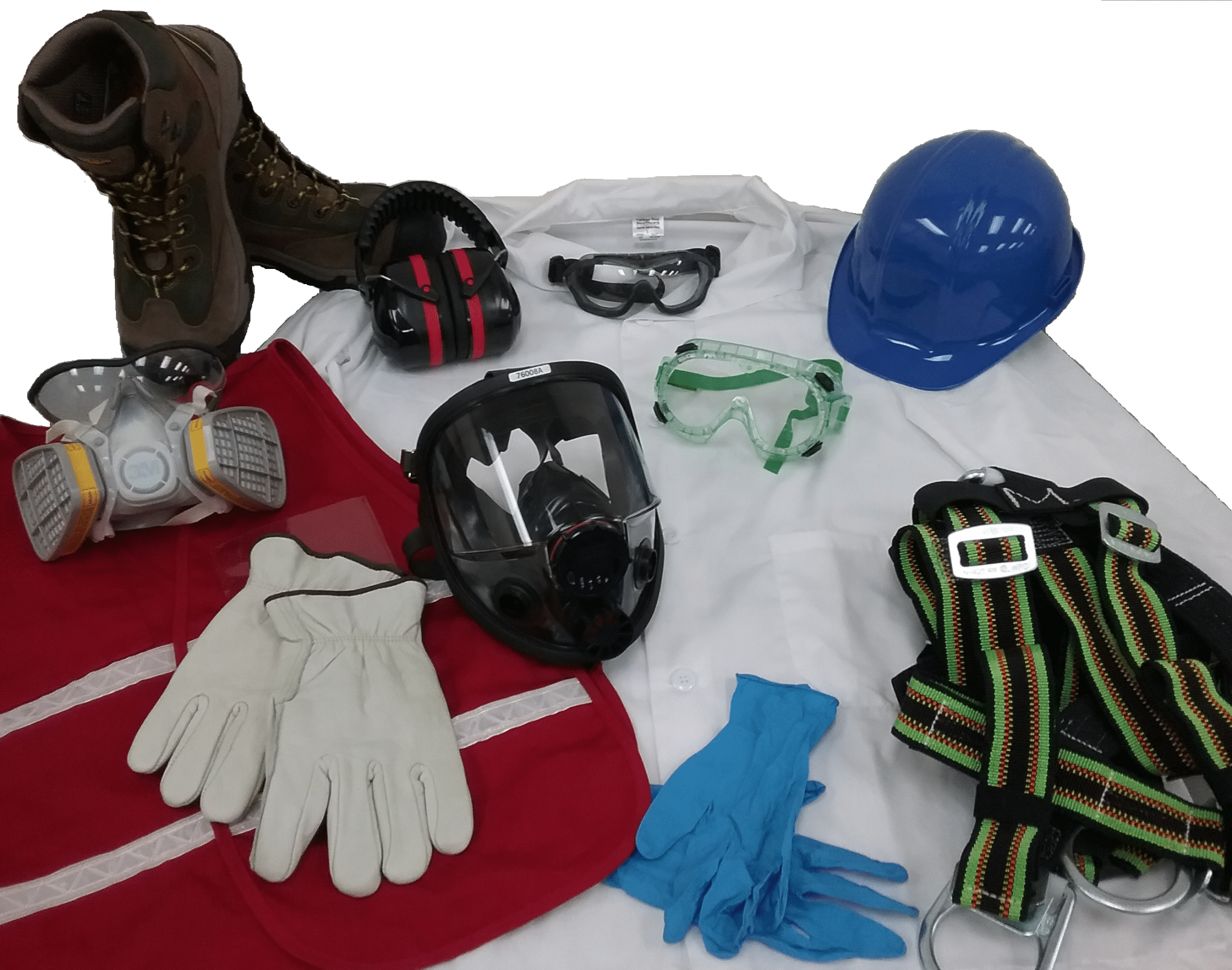
- Personal Protective Equipment (PPE).
- Medical Waste Management Systems.
- Emergency Response Planning.
- Fire Protection Systems.
- Hospital Safety Audits.
- Chemical Safety Procedures.
- Radiation Protection Protocols.
Related jobs and skills after the course
- Hospital Safety Officers
- Healthcare Risk Managers
- Hospital Administrators
- Physicians
- Nurses
- Healthcare Engineers
- Biomedical Engineers
- Laboratory Technicians
- Healthcare Facility Managers
- Infection Control Professionals
- Healthcare Students
Benefits of learning with American Board
- Hospital safety systems.
- Healthcare legislation.
- Risk assessment.
- Infection prevention.
- Medical waste management.
- Emergency planning.
- Fire protection.
- Chemical safety.
- Radiation safety.
- PPE management.
- Hospital inspections.
- Occupational health practices.
Study details
| Delivery mode | Online |
|---|---|
| Course language | English |
| International pricing note | International pricing is calculated approximately from the local tuition fee and may vary depending on exchange rates, promotional offers, taxes, or payment processing fees. |
| Duration | 33 Training Hours (11 Interactive Lectures) hours |
| In-person location | General |
| Credential | Occupational Health and Safety For Healthcare Organizations Training Diploma |
| Credential type | Professional Training Diploma |
| Accrediting body | American Board for Professional Training |
| Credential or accreditation body type | Professional Diploma |
| Official accrediting body name | American Board for Professional Training |
| Accreditation reference | Open reference |
| Credential and issuer clarification | Participants who attend at least 75% of the total training hours and actively participate in lectures, workshops, case studies, and practical activities will receive the American Board Professional Training Diploma Certificate. |
| Training assistant or coordinator | American Board Admissions Team |
| What the price includes | Training sessions. Professional learning materials. Instructor support. Recorded lectures for 12 months (online participants). Professional course certificate. |
| Additional fees | Hotel hall booking fees apply only if attending on-site training outside the main academy headquarters. |
| Price | 180 USD |
Why might American Board be a suitable choice for Occupational Safety and Health in Hospitals Diploma؟
Recommended for healthcare professionals seeking practical expertise in hospital occupational safety, healthcare risk management, and internationally recognized safety practices.
Links related to Occupational Safety and Health in Hospitals Diploma
Supporting articles about Occupational Safety and Health in Hospitals Diploma
Related questions about Occupational Safety and Health in Hospitals Diploma
What is hospital occupational safety and health?
It is the systematic management of workplace safety within healthcare facilities to protect patients, healthcare workers, visitors, equipment, and hospital infrastructure.
Who should enroll in this diploma?
The diploma is suitable for hospital administrators, safety officers, physicians, nurses, engineers, laboratory staff, infection control professionals, and healthcare students.
Does the diploma cover infection prevention?
Yes. Participants learn infection prevention principles, occupational hygiene, medical waste management, PPE usage, and healthcare safety procedures.
Will practical hospital case studies be included?
Yes. The diploma includes practical healthcare scenarios, hospital risk assessments, emergency planning exercises, and safety improvement case studies.
Do I need previous healthcare safety experience?
No. The diploma begins with occupational safety fundamentals before progressing to advanced hospital safety applications.
Will I receive a certificate?
Yes. Participants meeting the attendance requirements receive an American Board Professional Training Diploma Certificate.
Frequently asked questions about Occupational Safety and Health in Hospitals Diploma
What is hospital occupational safety and health?
It is the systematic management of workplace safety within healthcare facilities to protect patients, healthcare workers, visitors, equipment, and hospital infrastructure.
Who should enroll in this diploma?
The diploma is suitable for hospital administrators, safety officers, physicians, nurses, engineers, laboratory staff, infection control professionals, and healthcare students.
Does the diploma cover infection prevention?
Yes. Participants learn infection prevention principles, occupational hygiene, medical waste management, PPE usage, and healthcare safety procedures.
Will practical hospital case studies be included?
Yes. The diploma includes practical healthcare scenarios, hospital risk assessments, emergency planning exercises, and safety improvement case studies.
Do I need previous healthcare safety experience?
No. The diploma begins with occupational safety fundamentals before progressing to advanced hospital safety applications.
Will I receive a certificate?
Yes. Participants meeting the attendance requirements receive an American Board Professional Training Diploma Certificate.
Find other American Board courses
Use course search to find diplomas and courses in the same field or related skill areas.
Course highlights
What this course is
A professional diploma that prepares participants to implement occupational safety systems, infection prevention programs, emergency planning, and healthcare risk management within hospitals and healthcare organizations.
Who it is for
Hospital administrators, physicians, nurses, healthcare engineers, safety officers, laboratory personnel, infection control professionals, and healthcare students.
What you will learn
Participants learn hospital safety systems, healthcare legislation, infection prevention, fire protection, emergency preparedness, medical waste management, chemical safety, radiation protection, and healthcare risk assessment.
Expected outcome
Graduates can contribute to safer healthcare environments by supporting occupational safety programs, improving regulatory compliance, strengthening emergency preparedness, and reducing healthcare workplace risks.
Beginner suitability
Yes. The diploma introduces occupational safety principles before progressing to specialized hospital safety management and healthcare risk control.
Why American Board
American Board delivers internationally aligned professional education combining healthcare safety standards with practical workplace applications and modern risk management practices.
Certificate summary
Participants receive an American Board Professional Training Diploma Certificate after satisfying attendance requirements.
Is this course right for you?
Course benefits
- Improve hospital safety performance.
- Strengthen infection prevention practices.
- Enhance emergency preparedness.
- Support healthcare regulatory compliance.
- Reduce occupational hazards.
- Improve patient and staff safety.
- Develop professional healthcare safety competencies.
Target audience
- Hospital Safety Officers
- Healthcare Risk Managers
- Hospital Administrators
- Physicians
- Nurses
- Healthcare Engineers
- Biomedical Engineers
- Laboratory Technicians
- Healthcare Facility Managers
- Infection Control Professionals
- Healthcare Students
- Occupational Safety Specialists
- Medical Laboratory Personnel
- Biomedical Technicians
- Hospital Department Managers
- Healthcare Facility Supervisors
Who should choose another path?
Individuals seeking clinical diagnosis or patient treatment training rather than occupational safety, healthcare risk management, and hospital safety administration.
Availability and registration
Available countries and regions
Registration notes by country
Open to participants worldwide. Healthcare regulations may differ by country, while the diploma teaches internationally recognized hospital safety principles.
Certificate, accreditation and training team
Course schedule and training providers
Choose the provider and venue that best suit you. Fees and availability may differ by intake.
| Country | Training provider | Venue | Fee |
|---|---|---|---|
| Egypt | American Board for Professional Training | General | 180 USD |
Express your interest
Submit your details and the course team will contact you about the schedule you select.
Complete the registration form to reserve your place in the Occupational Safety and Health in Hospitals Diploma. After registration confirmation, you will receive enrollment instructions, study schedules, and access information for your selected learning format.